10 things to keep in mind before driving your first camper!
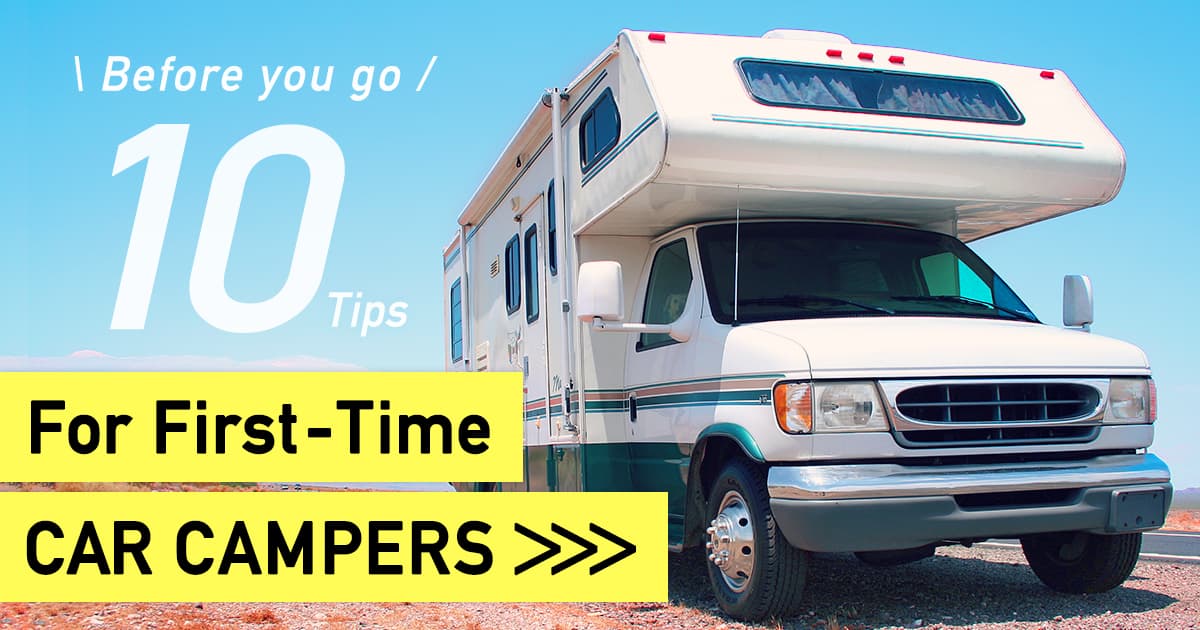
A lot of people that think, "I wanna rent a camper and drive around with my friends!" or "I wanna go camping in a camper at least once in my life!" but actually doubt their ability to drive an oversized van. Of course it's different from driving a regular car, but it's not exactly an impossible task either. In fact, even an amateur will be fine as long as you follow the tips below.
We have compiled 10 tips that a camper virgin like you will ever need for a safe and enjoyable camper road trip. (No headaches required!) Here are the 10 tips for your perfect first campervan trip!
Things to remember before driving
01
Curb your speed
and drive carefully
02
Know your camper's dimensions
and the type of fuel it uses
03
Check the route
in advance
04
Adjust your seat
and mirrors
05
Fasten seatbelts
and secure all baggage
Things to watch out for while driving
06
Be precise
with your controls
07
Slow down at intersections
and make smooth turns
08
Don’t turn the steering wheel
too quickly
09
Watch out for tail swings
10
Get assistance from a passenger
if needed
01
Curb your speed and drive carefully
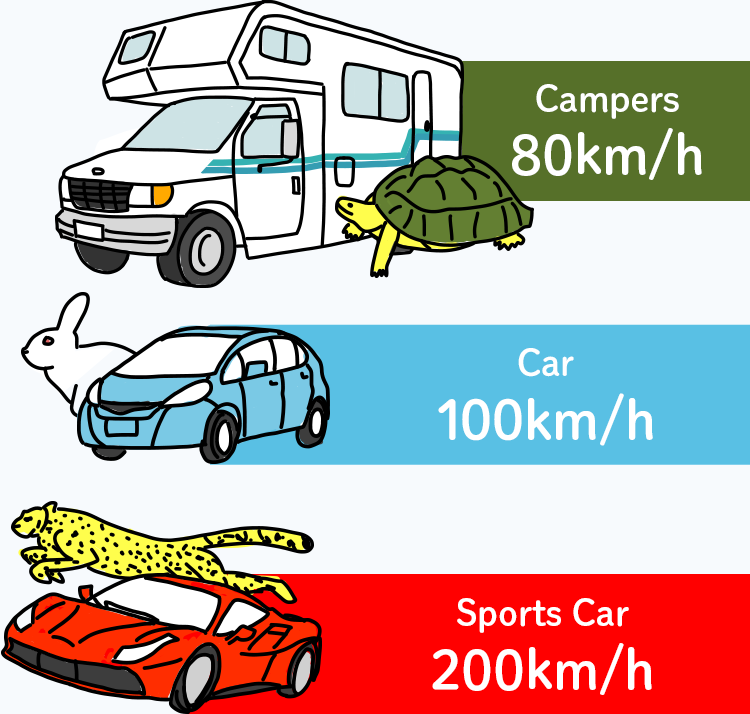
Campers are not for driving faster than 100km/h/
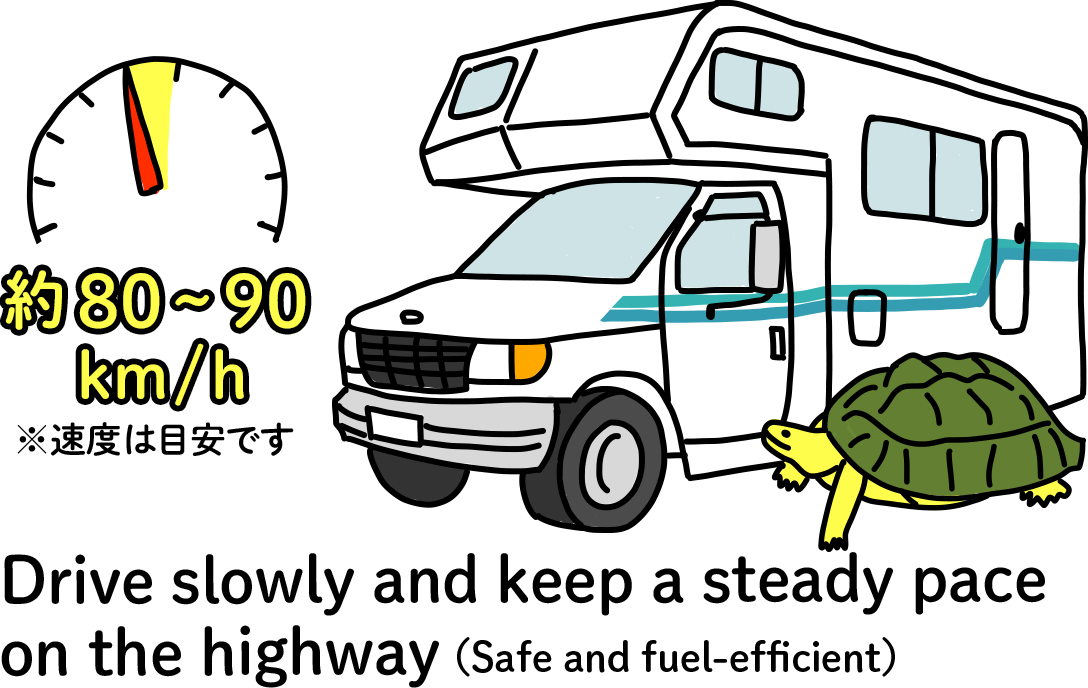
Campers are not designed for high speeds (higher than 100km/h) .It's best to limit your speed to within 80~90km/h.
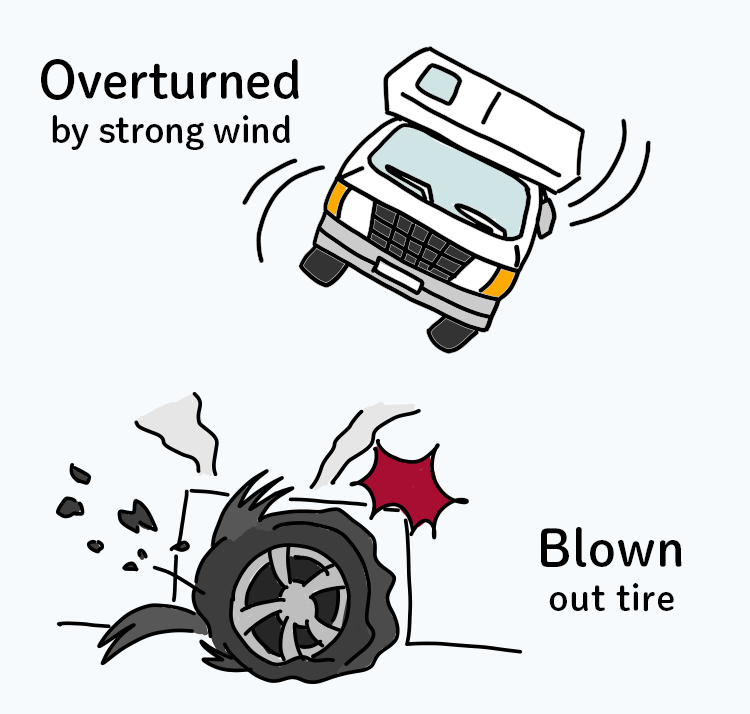
Overspeeding can cause an accident
If you drive at higher than 100km/h speed, you run the risk of overturning, blowing out tires, or getting pushed by strong wind.
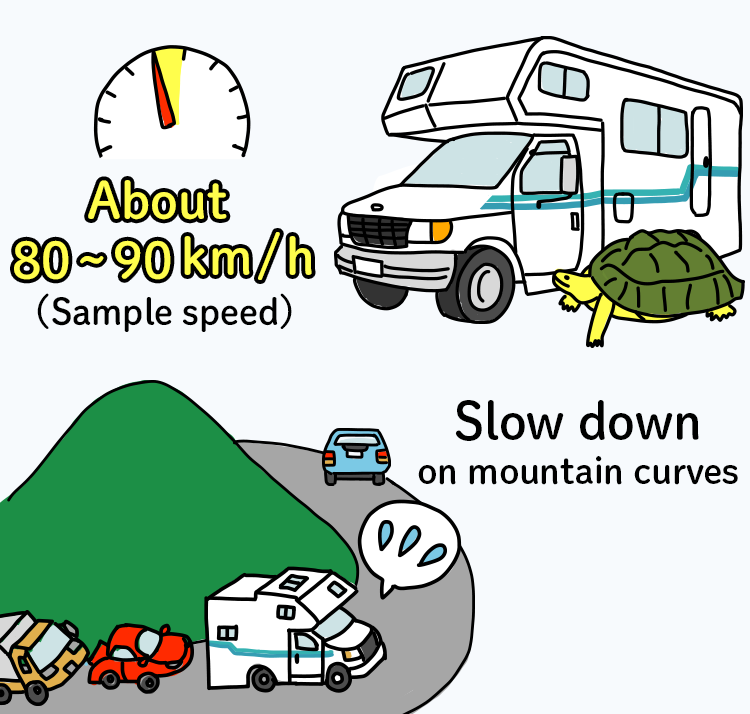
Drive slowly on highways and mountain roads
Try to stay at the same speed when driving on the highway, not only for safety but also for fuel efficiency.When you're driving on mountainous roads, it's important to slow down before steering through curves even if that means causing cars to pile up behind you.
02
Know your camper's dimensions and the type of fuel it uses
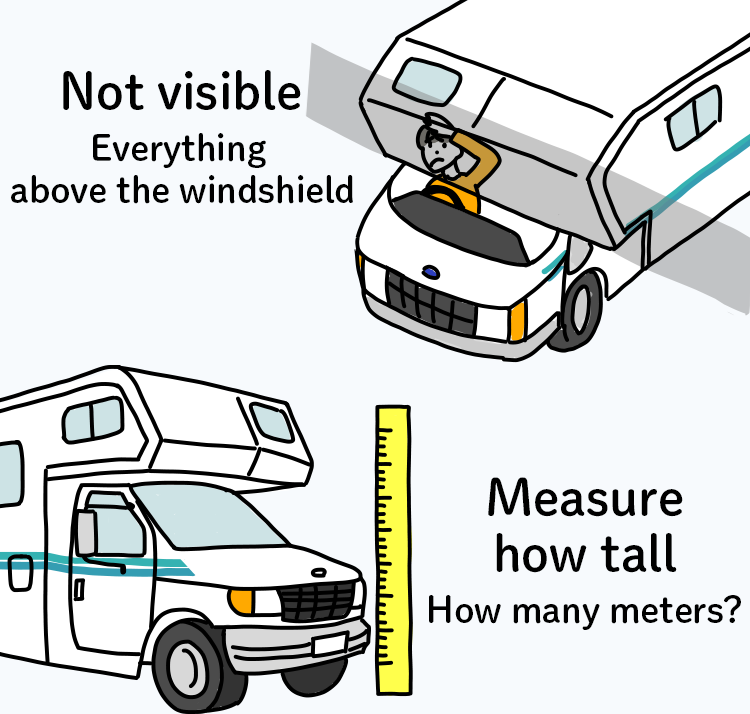
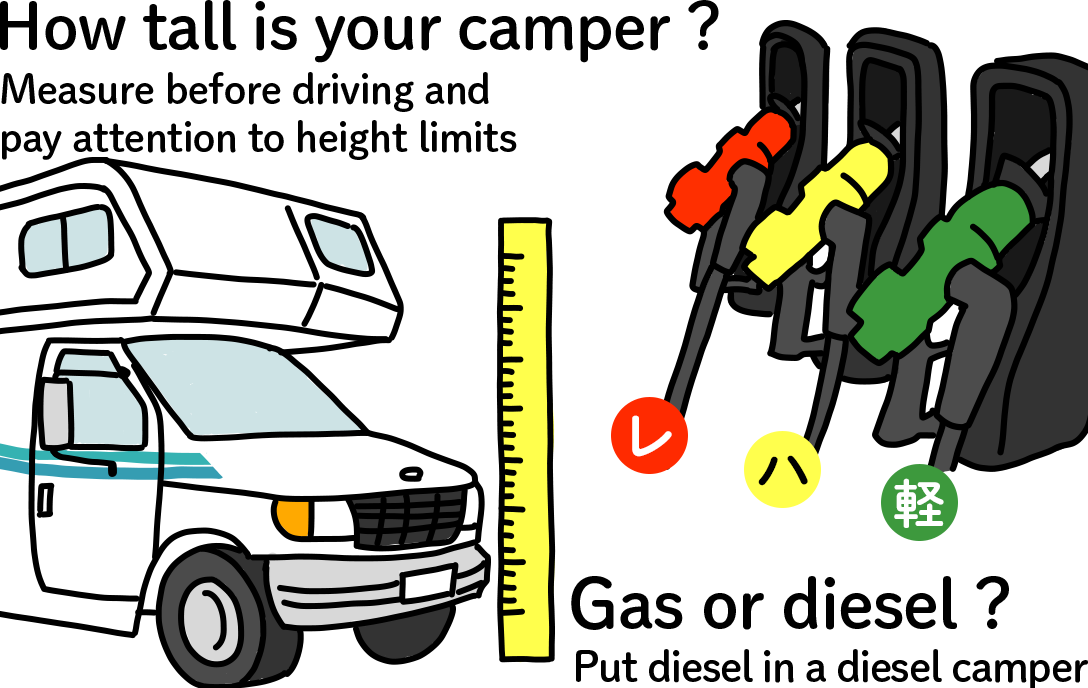
Measure its height including the roof
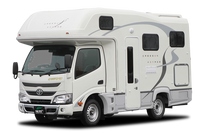
Most campers in Japan aren't that much longer than regular passenger cars, but are much wider and taller. Pay special attention to its height. Unlike regular cars, a camper's roof is much higher than the top of its windshield, so its real height is not visible to you while driving.
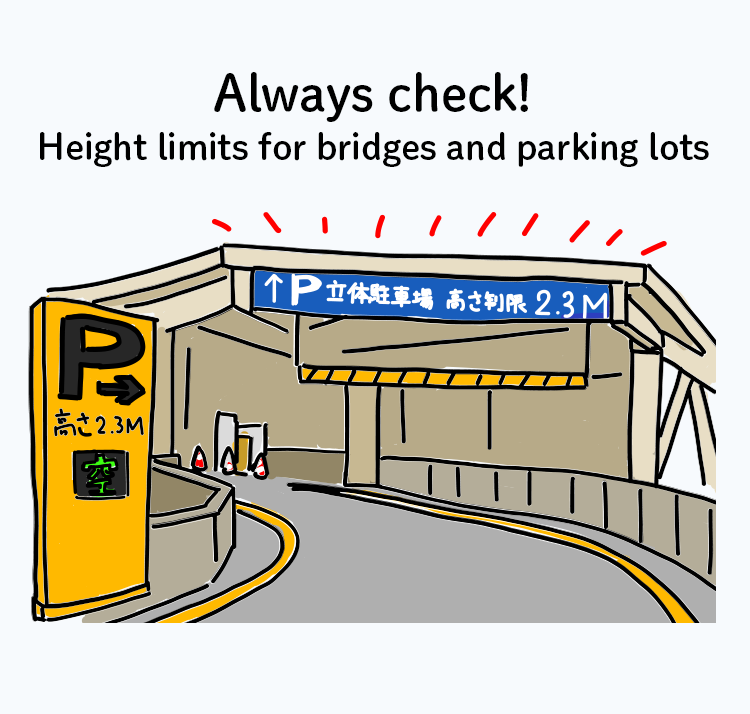
Watch out for parking lots and bridges with low clearance
Know your camper's height (in meters) and always look out for tunnel or parking lot clearance limits.
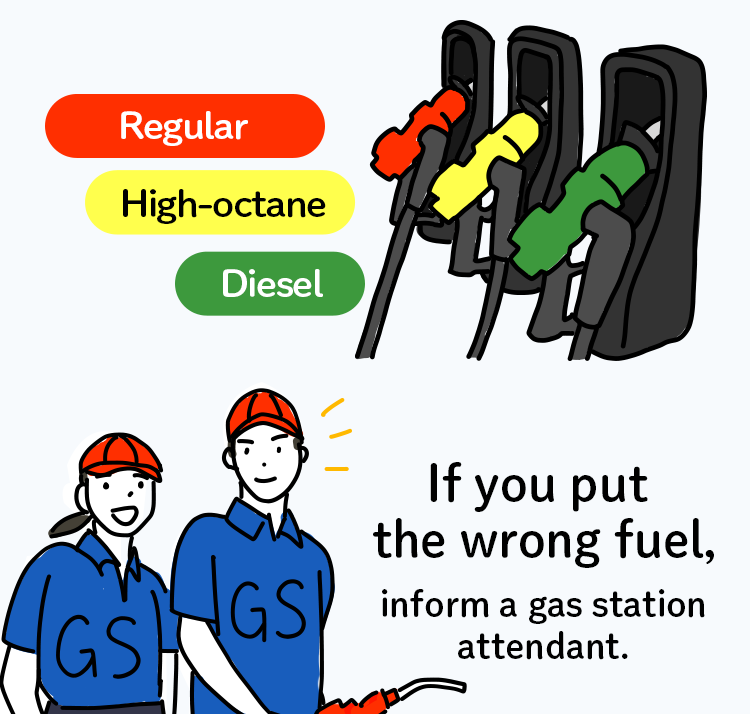
Check the type of fuel required (Diesel engine uses "keiyu")
Another thing is the fuel. Most campers run on diesel instead of gas, so make sure you check this beforehand. If you accidentally put in the wrong fuel, don't start your engine and immediately get help from someone at the station.
03
Check the route in advance
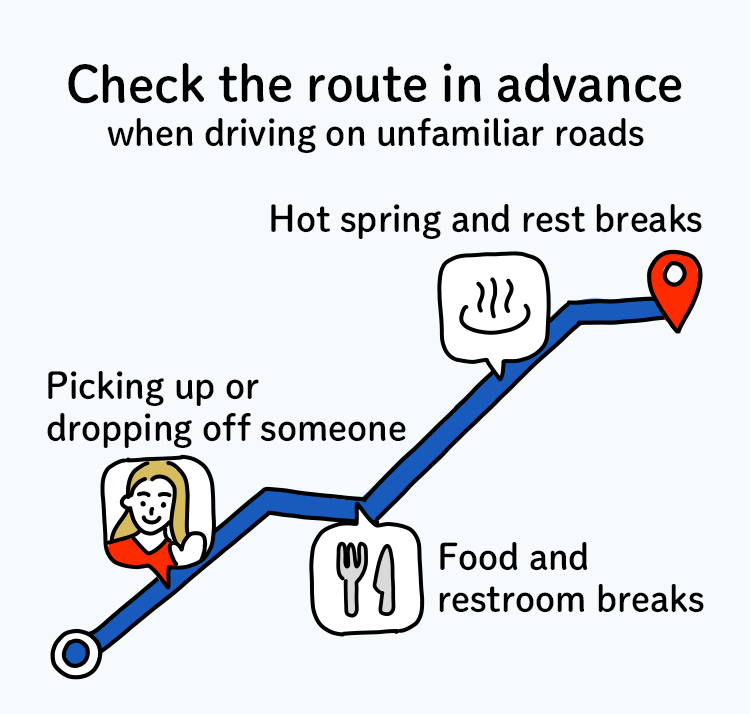
Figure out all destinations including stopovers
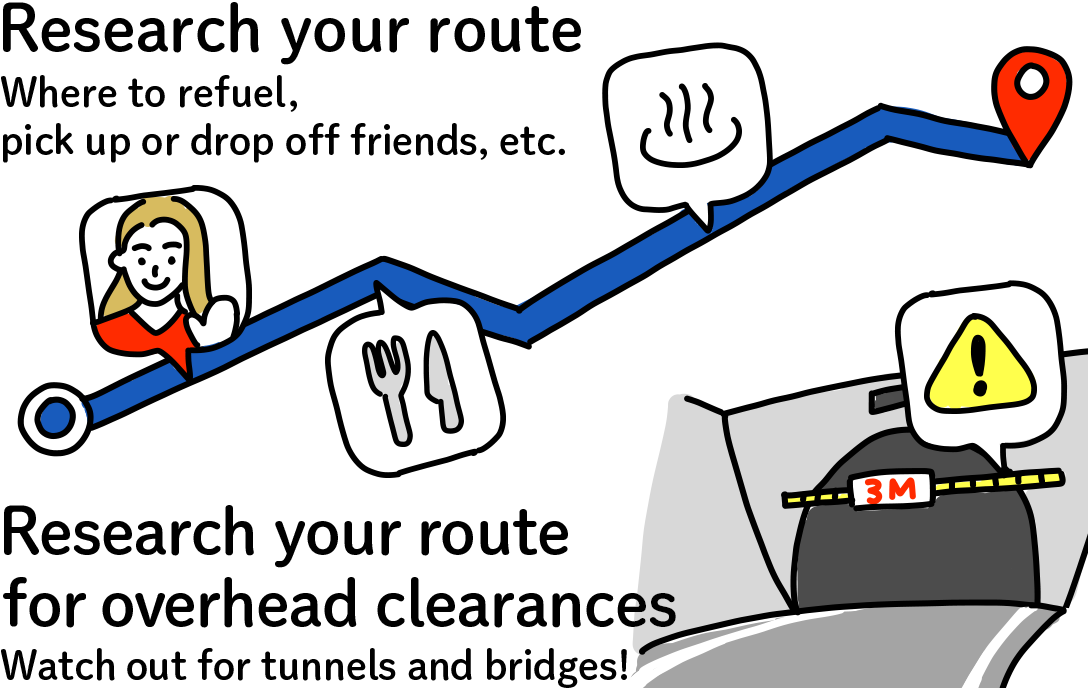
Driving on an unfamiliar road with a vehicle you don't usually drive can be very intimidating. That's why you should figure out your route beforehand: your starting place, where you're going to pick up your friends, and where you want to go.
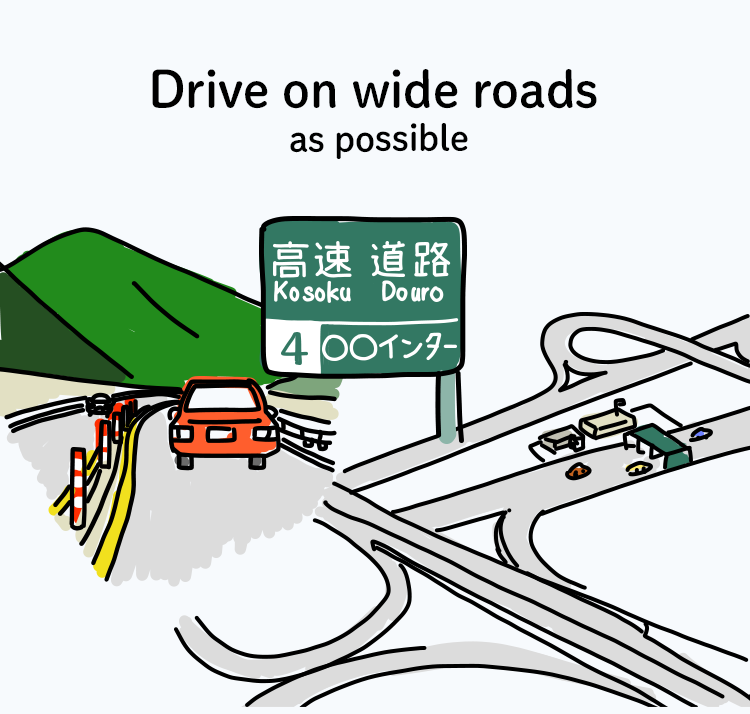
Route your trip on highways and other wide roads
You should try to use highways and wide national roads as much as possible.
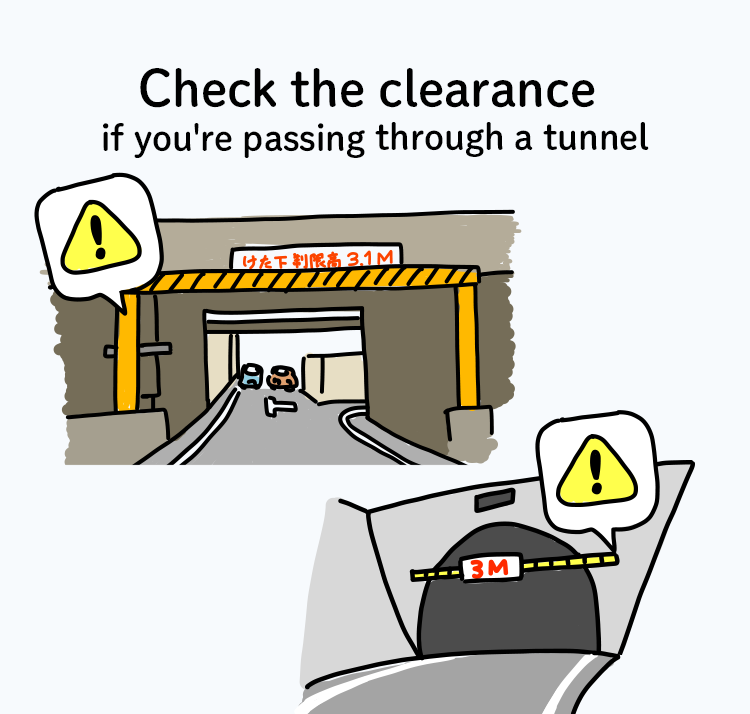
Check all vertical clearances on your route ahead of time
If you look at Google Maps and find crossing tracks or mountain tunnels, check the height limit with Google Street View. Plan your route thoroughly ahead of time.
04
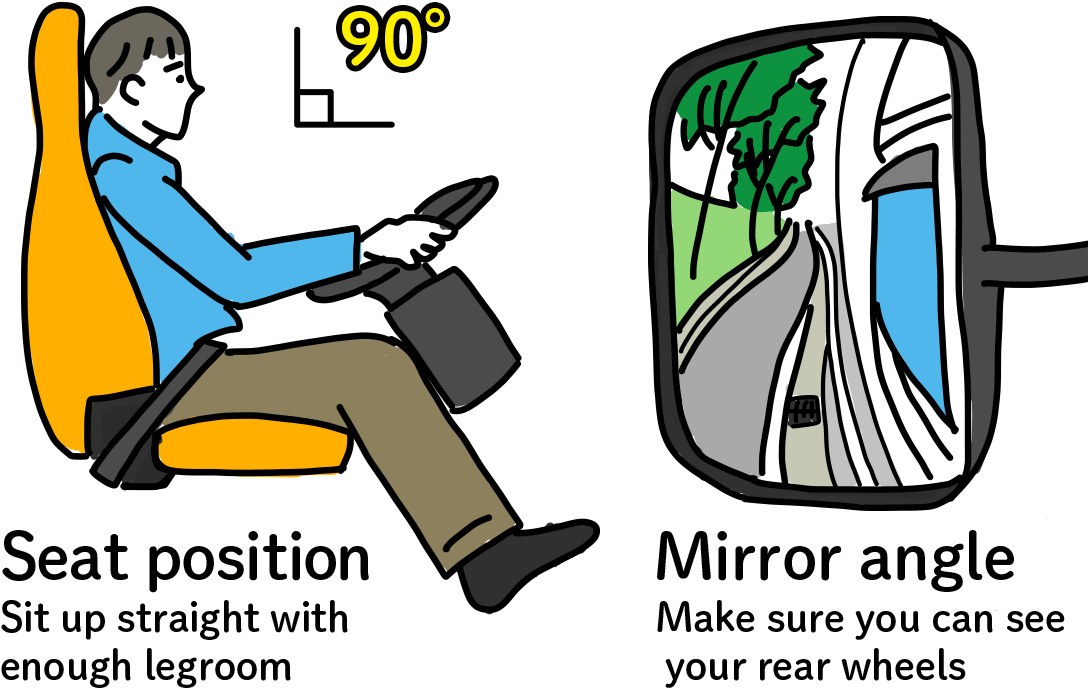
Adjust your seat and mirrors
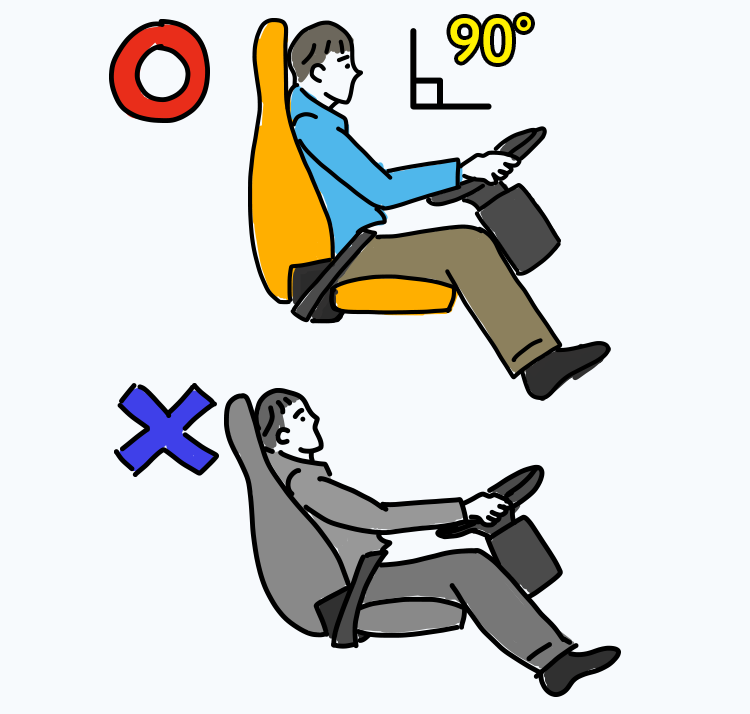
Adjust your seat so that your back is upright
The distant cousins of campers are actually commercial trucks and vans, not cars. That means the correct seating position is such that your back is close to vertical. Don't recline the backrest.
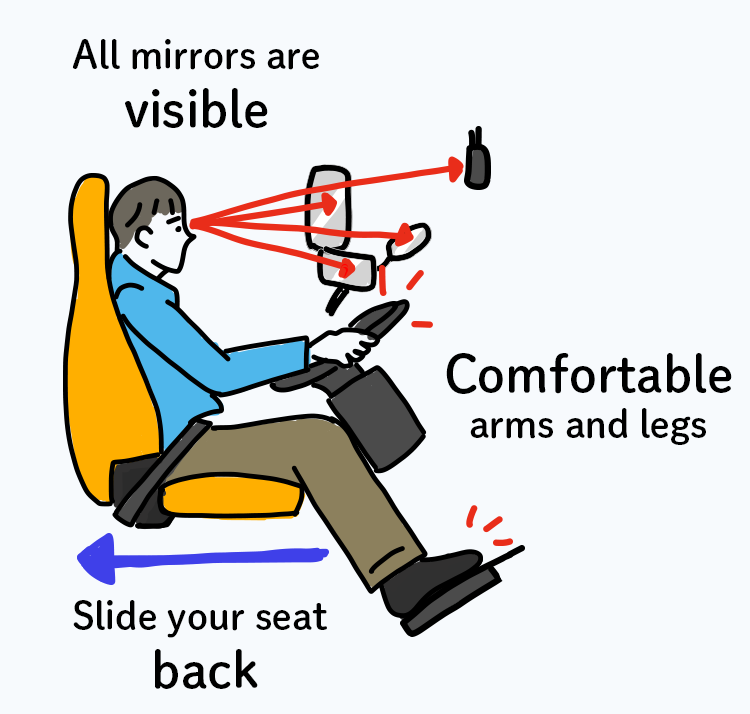
Adjust the mirrors and ensure that the steering wheel and foot pedals and within comfortable reach
Adjust your side mirrors so that you don't have to turn your head too much while driving. You can do that by lowering your seat and keeping enough distance so you can comfortably hold the steering wheel and reach the foot pedals.
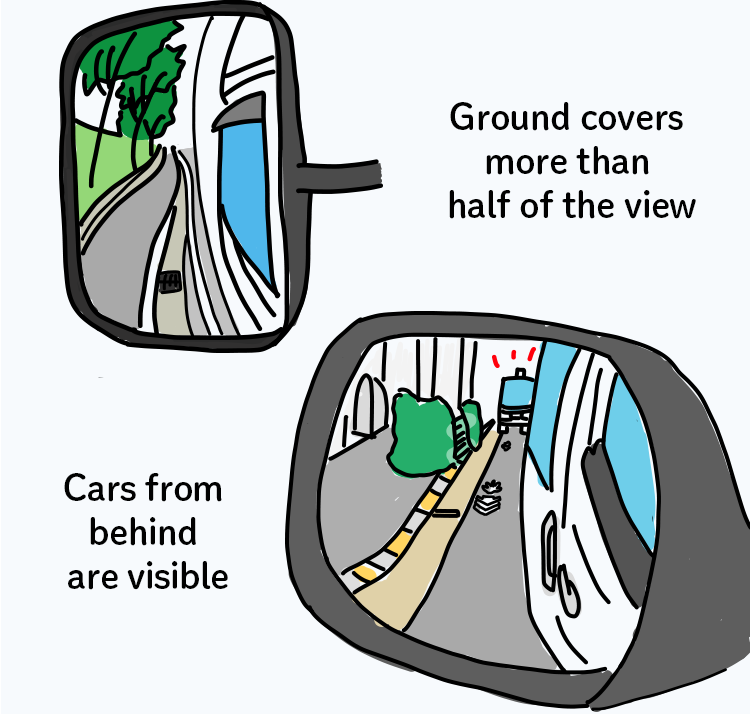
Adjust the side mirrors so that you can see your rear wheels, the ground, and the cars behind you
It's best if you can see your rear tires from the side mirrors. Lastly, We recommend having as much visibility of the ground as possible for ease of driving.
05
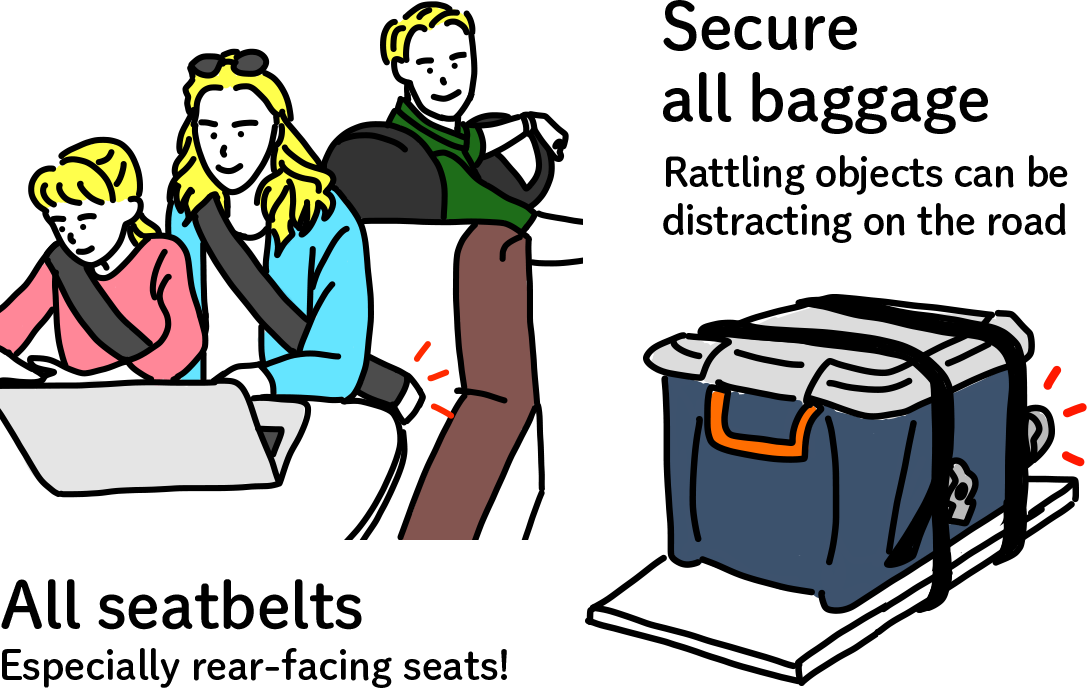
Fasten seatbelts and secure all baggage
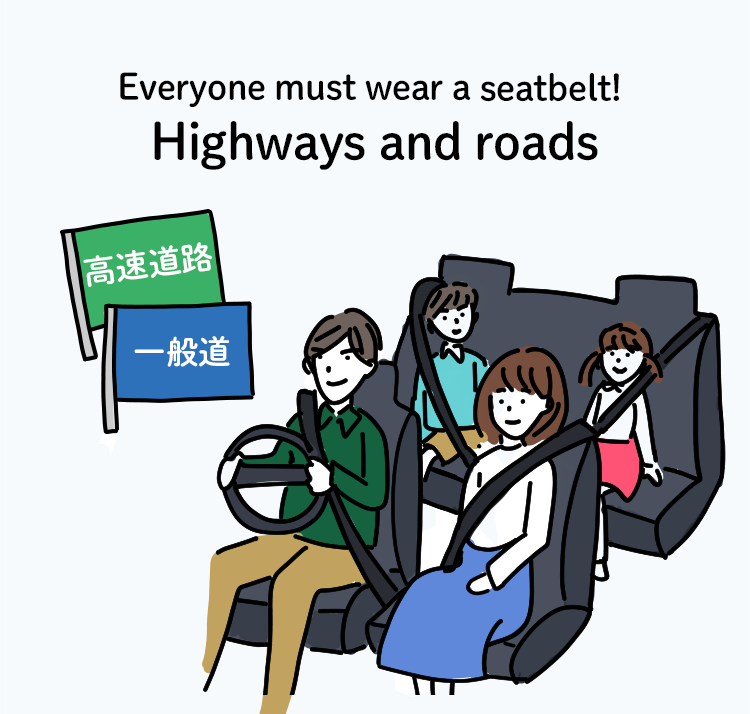
Seatbelts are required by law on highways and regular roads
It's now required by law to always keep your seatbelts fastened not only when driving on highways but even on regular roads all over Japan.
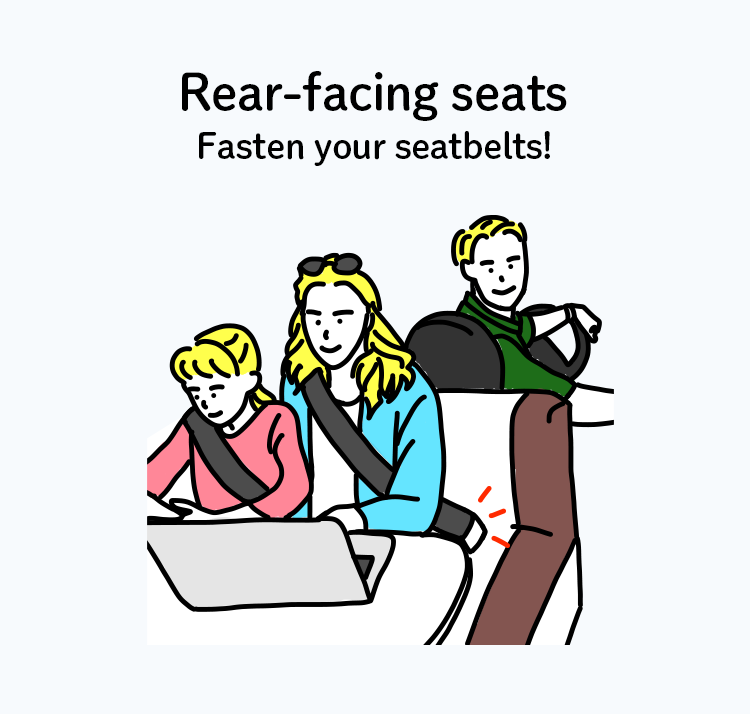
Rear-facing seats must have seatbelts
For those with reversible seats, as long as the passengers have their seatbelts on, you're good.
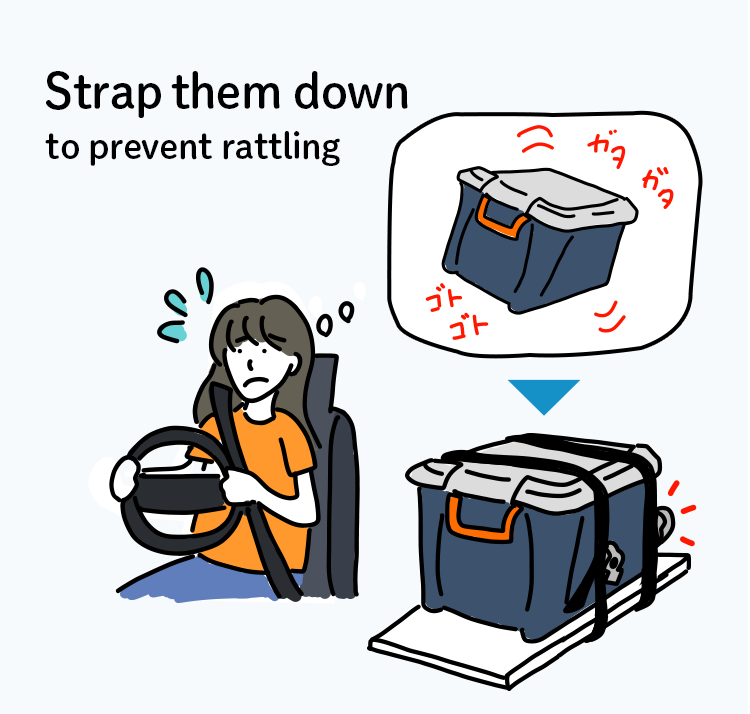
Secure all cargo and worry no more about falling objects
Don't forget to secure all your baggage as they might fall all over the place while you're on the road. You want to save yourself from all the stress of hearing objects bouncing around in the back.
06
Be precise with your controls
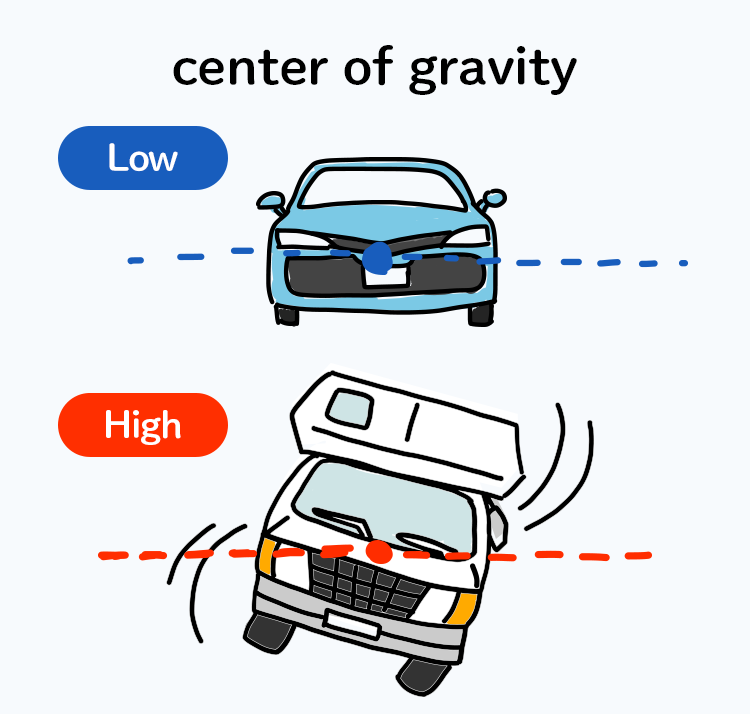
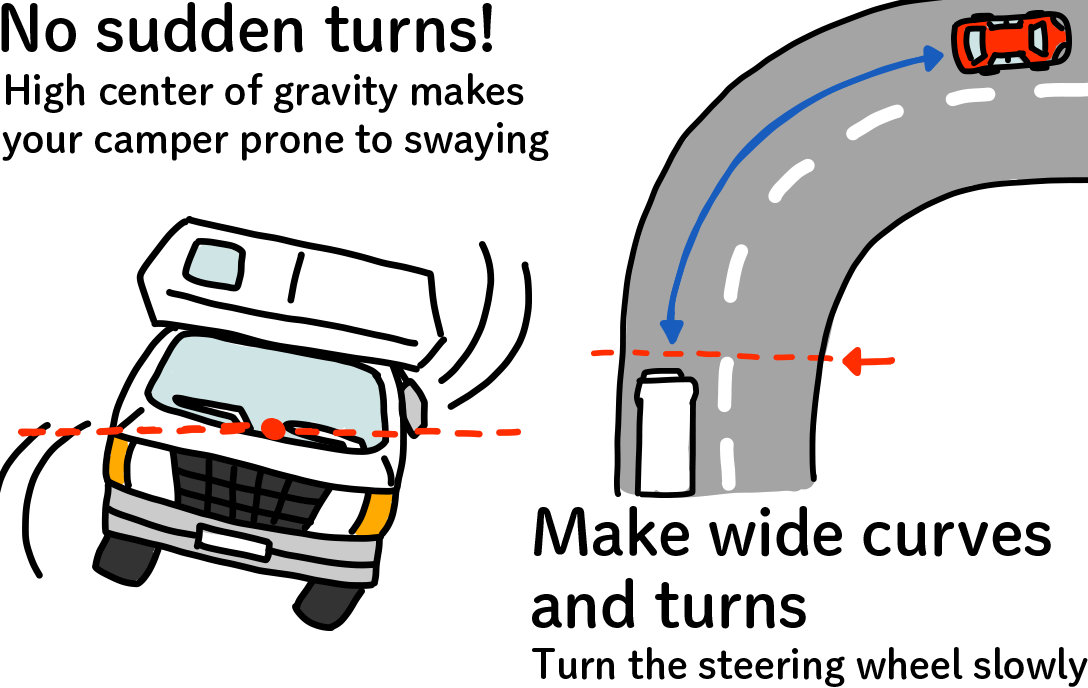
High center of gravity makes campers less stable
Campers have a high center of gravity and weight, giving them less stability than your neighbor's Ferrari.So if you attempt to race with him, you might find yourself in a shaky situation!
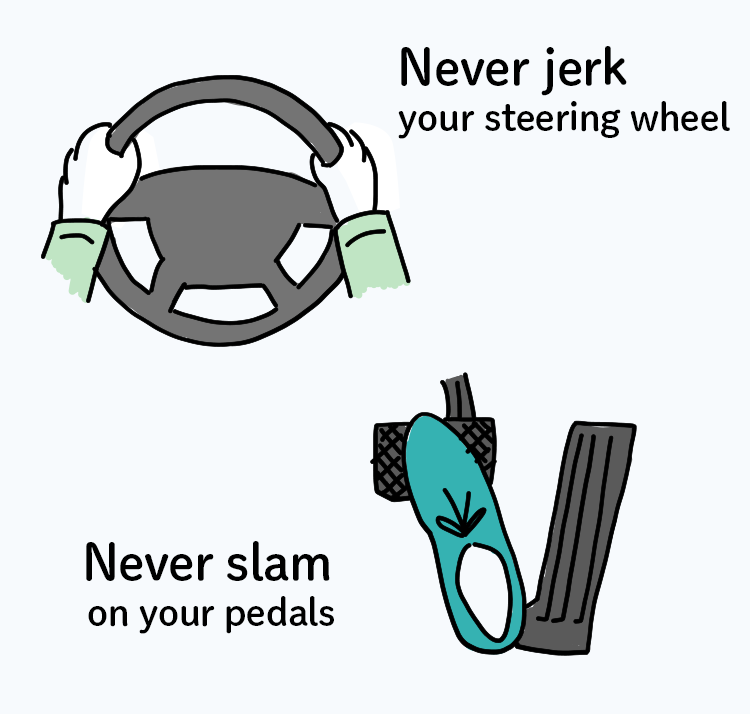
Gentle steering movements will keep your camper steady
Control the steering wheel, and accelerator and brake pedals like your life depends on them.
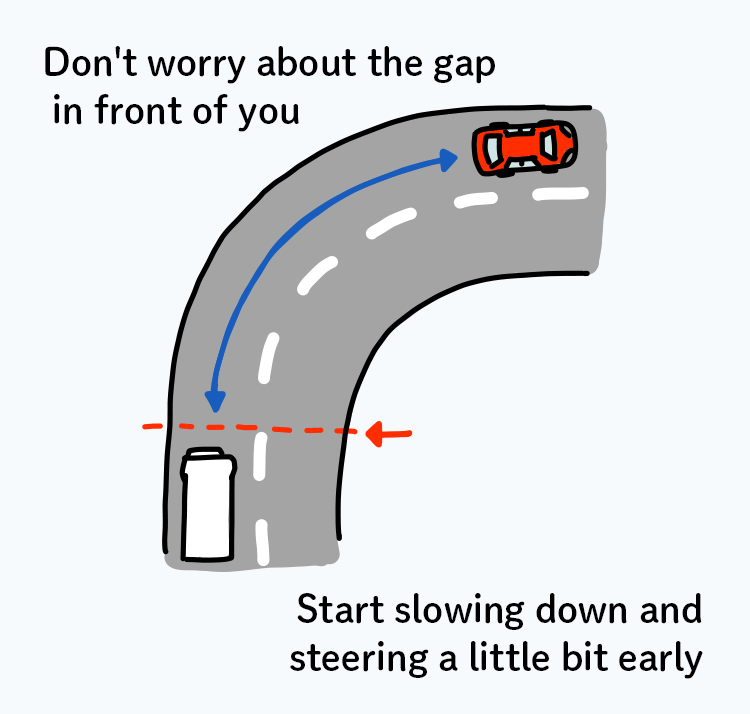
Slow down before curves then accelerate slightly
Before a curve, reduce your speed and turn your steering wheel gently. Also, always keep a safe gap between you and the car in front of you. Never tailgate.
07
Slow down at intersections and make smooth turns
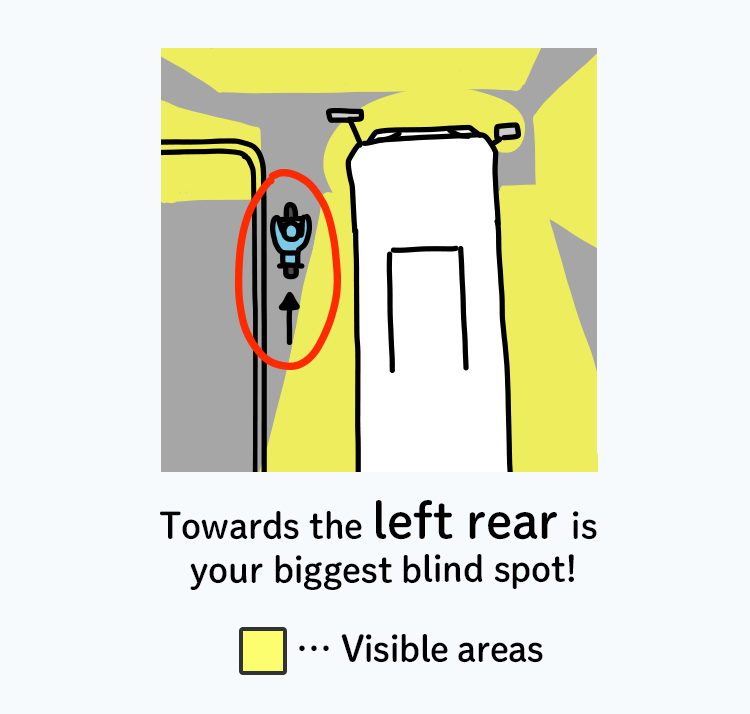
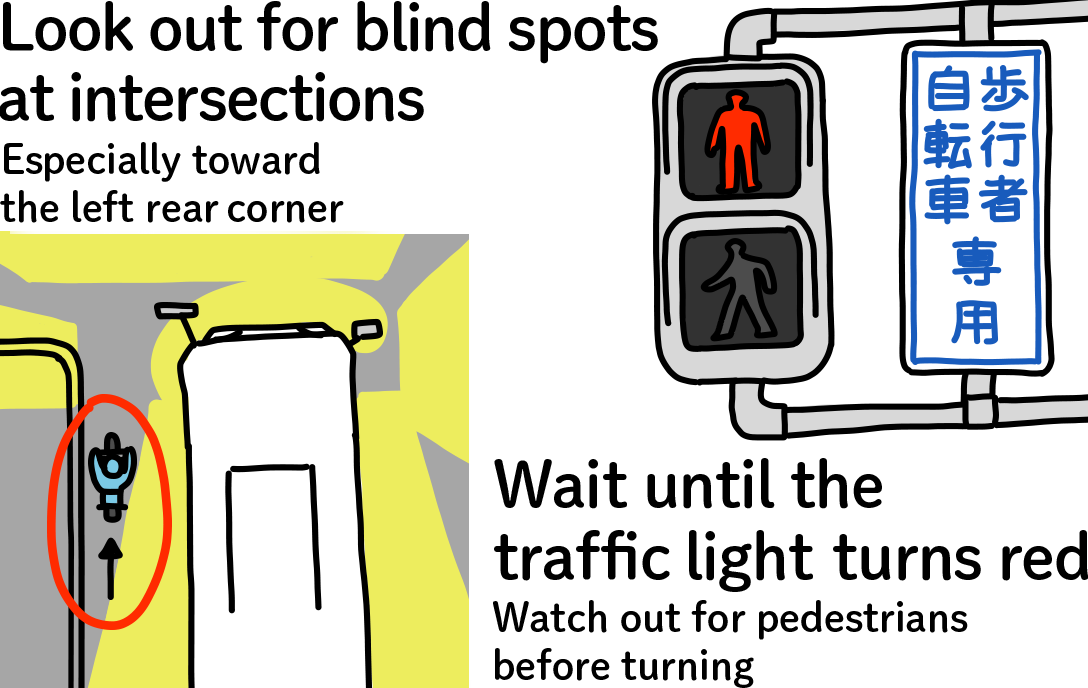
Campers have more blind spots than cars
Campers have many blind spots. As you turn at an intersection, you'll be surprised how difficult it is to see pedestrians and bicyclists in crosswalks. In fact, even professional truck drivers can still miss spotting them if they let their guard down.
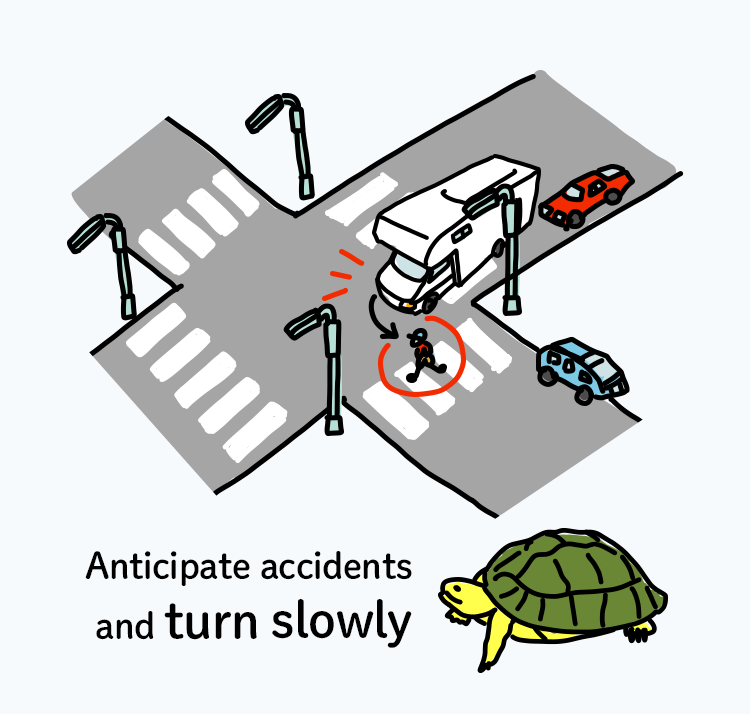
Always turn slowly just to be sure
Allow for a margin of error so that even if you didn’t see a crossing pedestrian you could still avoid any accidents—and that is by turning 3 times slower than a regular car.
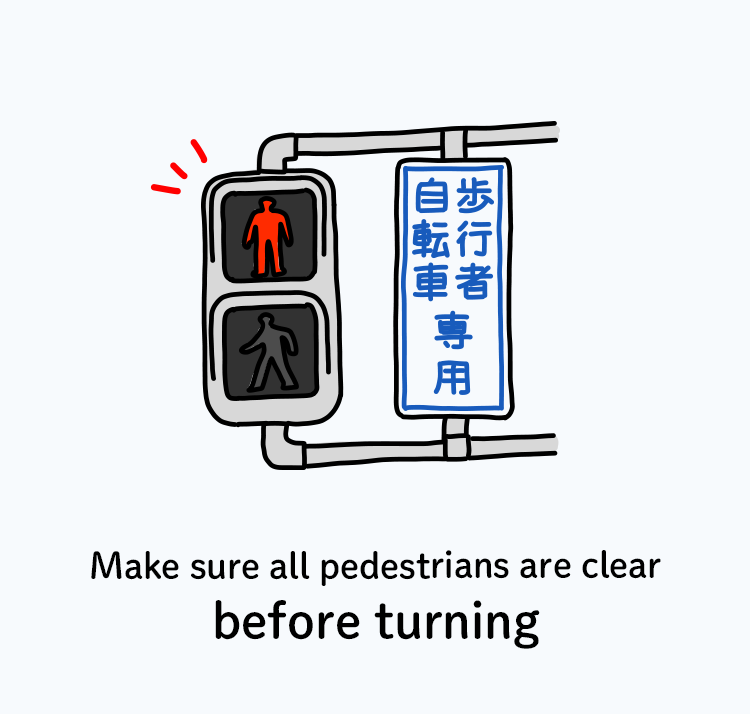
It's best to wait for the pedestrian signal to turn red
In high pedestrian areas, wait for the pedestrian traffic signal to go red before making your turn.
08
Don’t turn the steering wheel too quickly
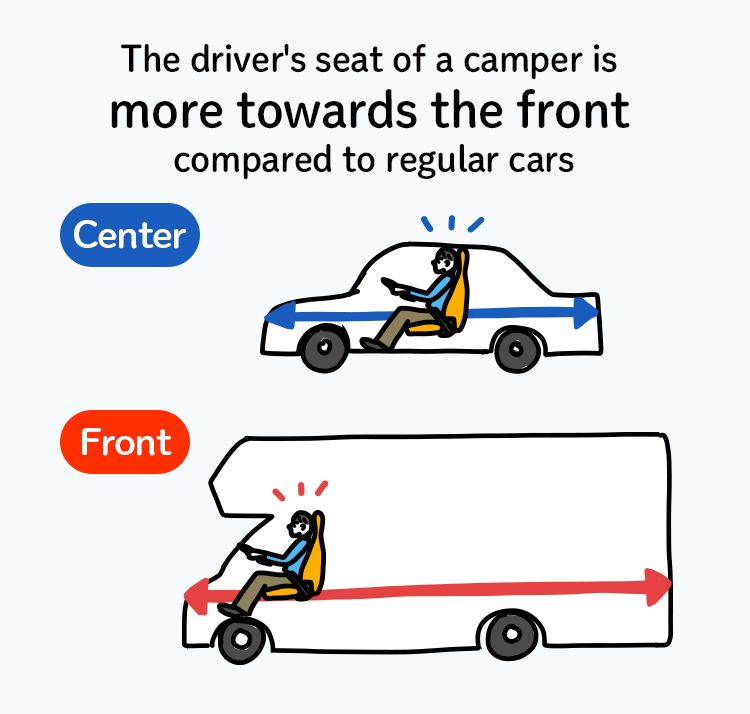
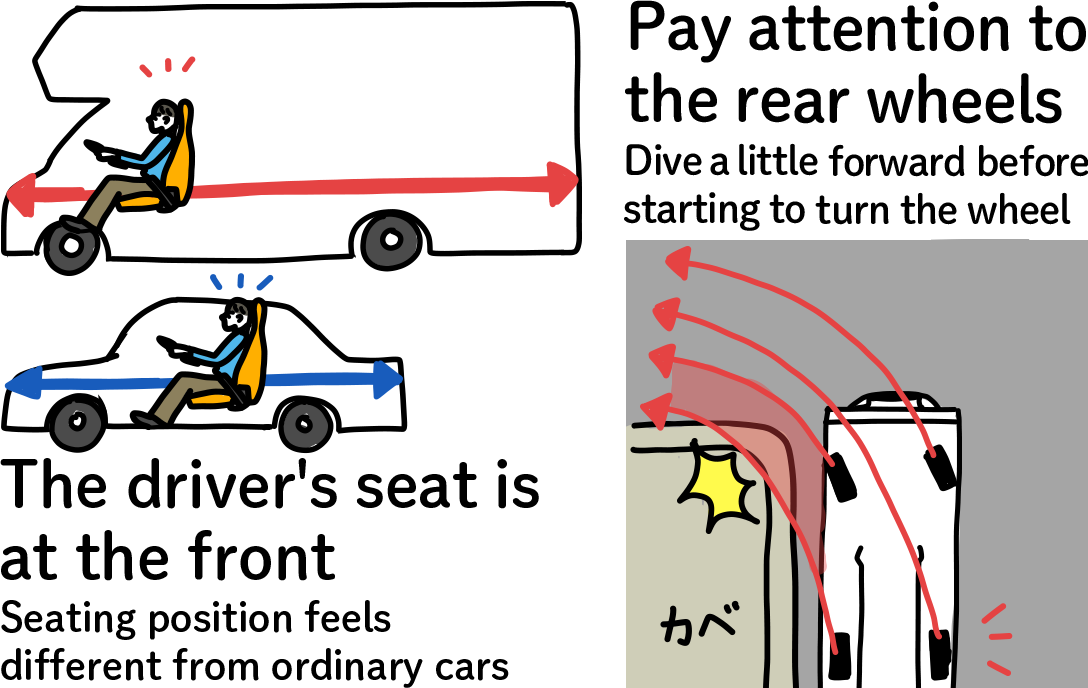
The driver's seat is at the front end of the camper
If you look at regular cars, you’ll notice that the driver’s seat is almost in the middle of the entire length. Compare that to campers that have the driver’s seat way towards the front.
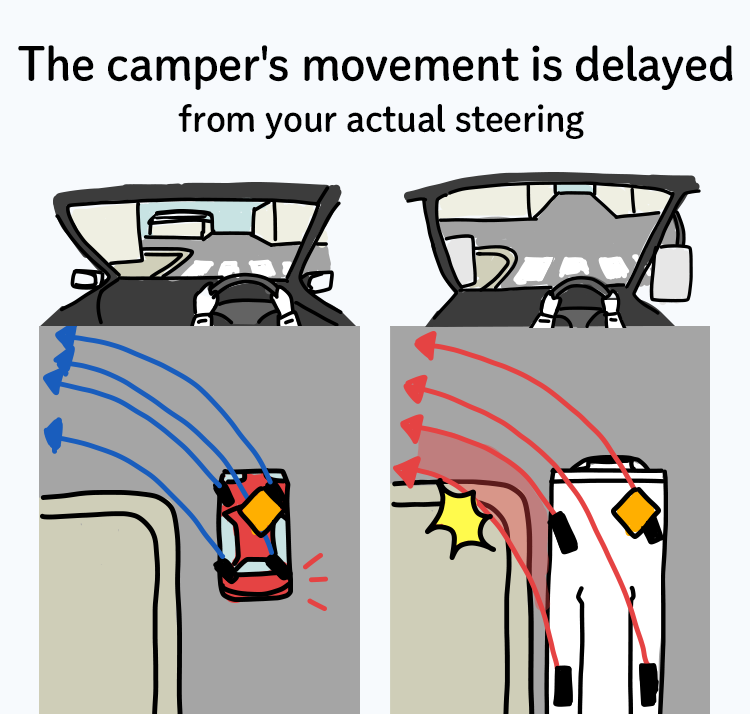
It's harder to feel the entire camper's movement
That means if you make a turn like you’re driving a regular car, you’re turning too early. Make sure that you time your turn of the steering wheel when making turns at intersections or curves.
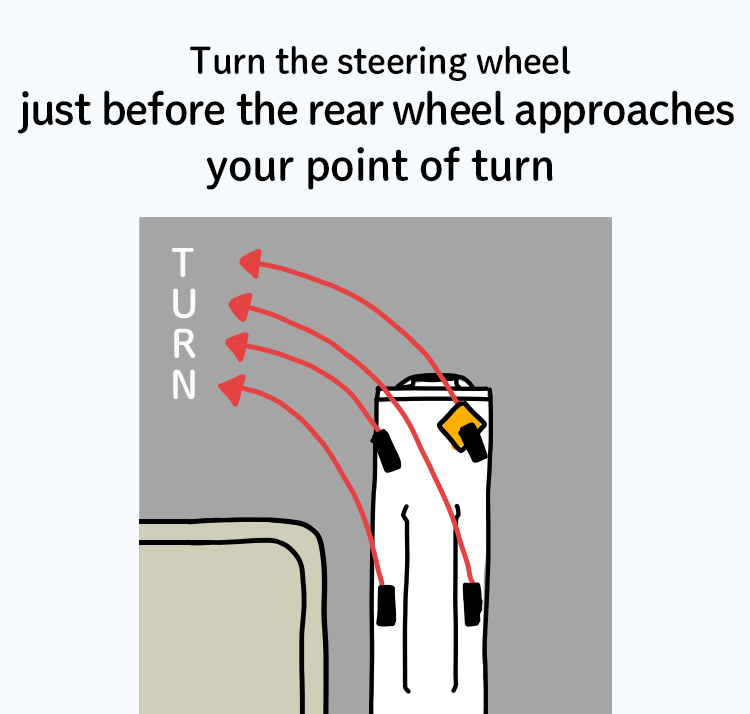
Notice the delayed movement of the rear wheels when you turn
If you can, look in your side mirrors and check that the rear tires are following your intended path.
09
Watch out for tail swings
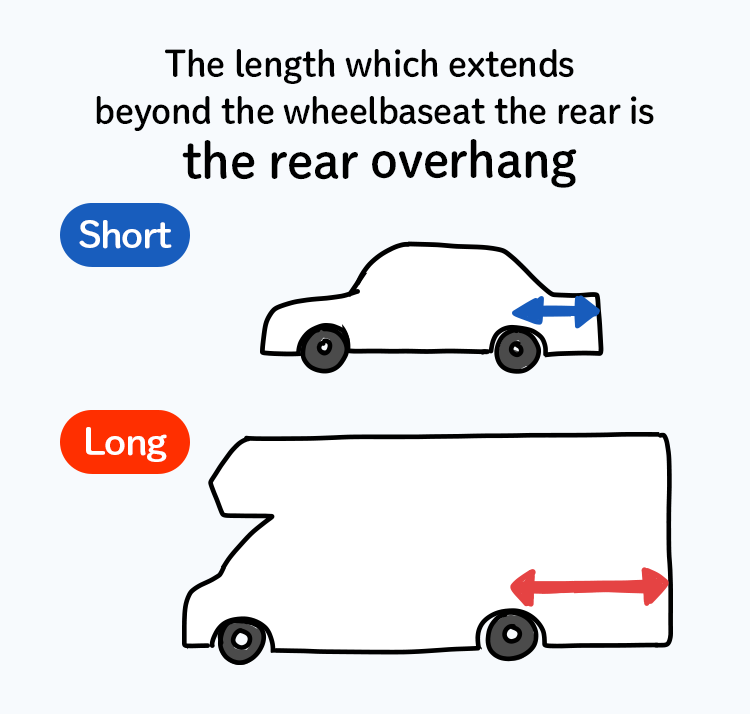
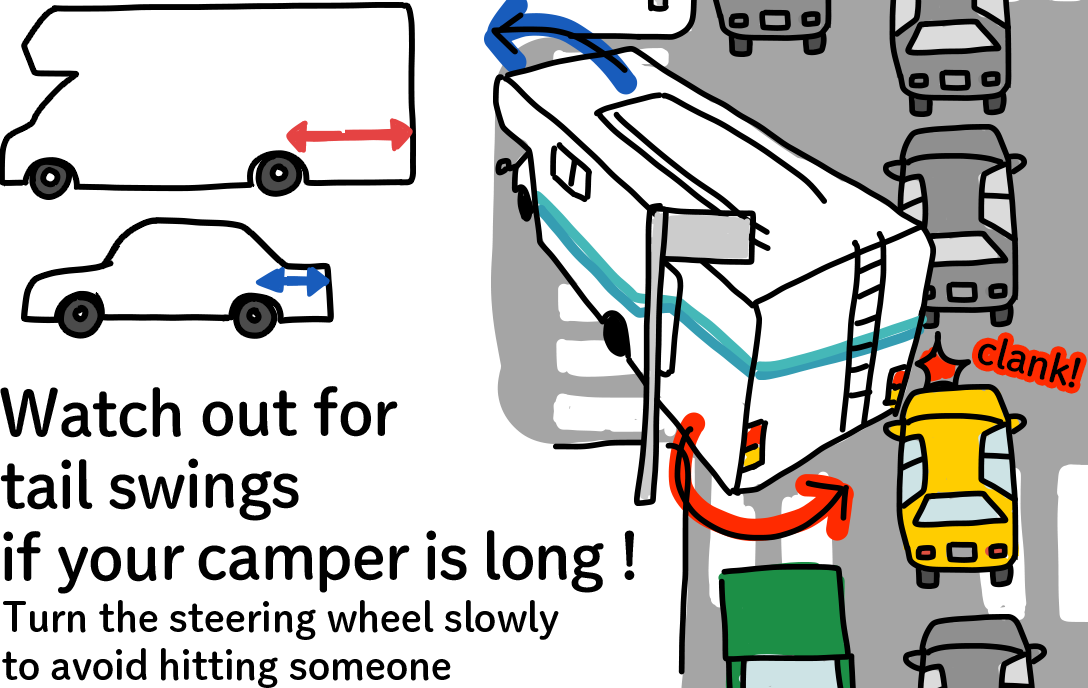
Campers have a long rear overhang
Rear overhang is the length of a vehicle which extends beyond the wheelbase at the rear.
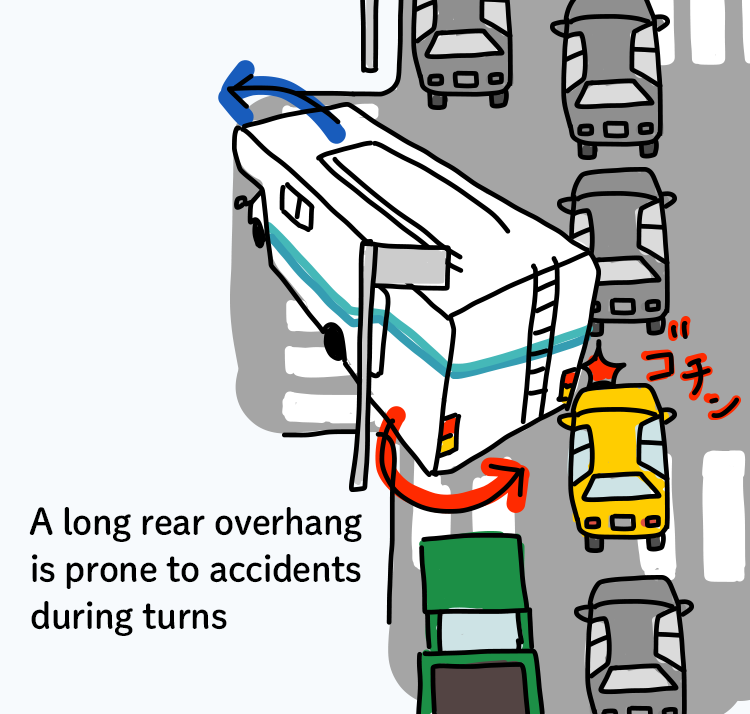
A long rear overhang is prone to "tail swings," which can cause accidents
If the rear overhang is long, the rear end of the vehicle will swing in the opposite direction when the steering wheel is turned. This is called a 'tail swing.' Tail swings are a common cause of accidents for large vehicles like trucks and campers. It's the same principle when you carry a pole on your shoulder and make a sharp right turn: the tail end swings considerably to the left.
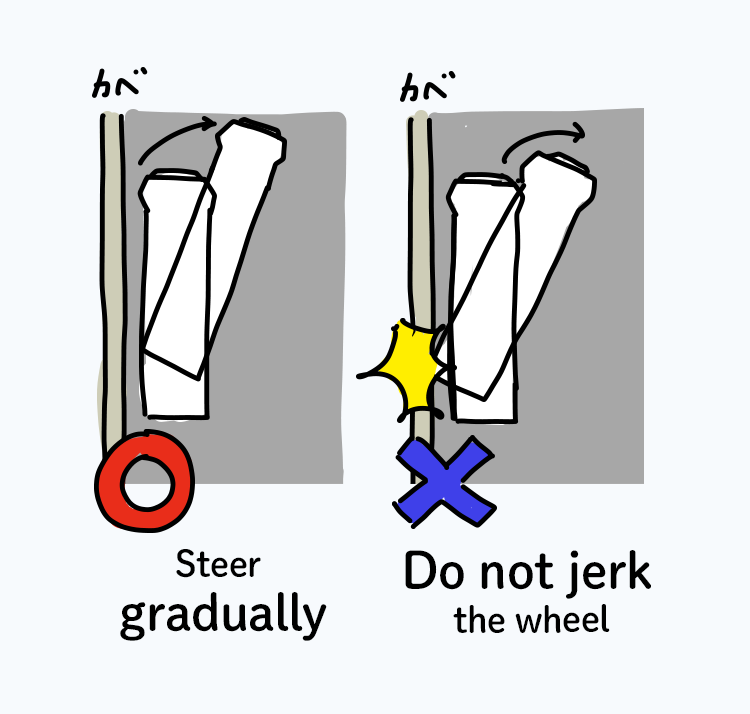
You can reduce tail swings by steering gradually
Typical campers in Japan can swing as much as 50cm outward. You can minimize tail swings by turning the steering wheel slowly as you move forward. Pay special attention when maneuvering tight streets or exiting a parking space between two vehicles.
10
Get assistance from a passenger if needed
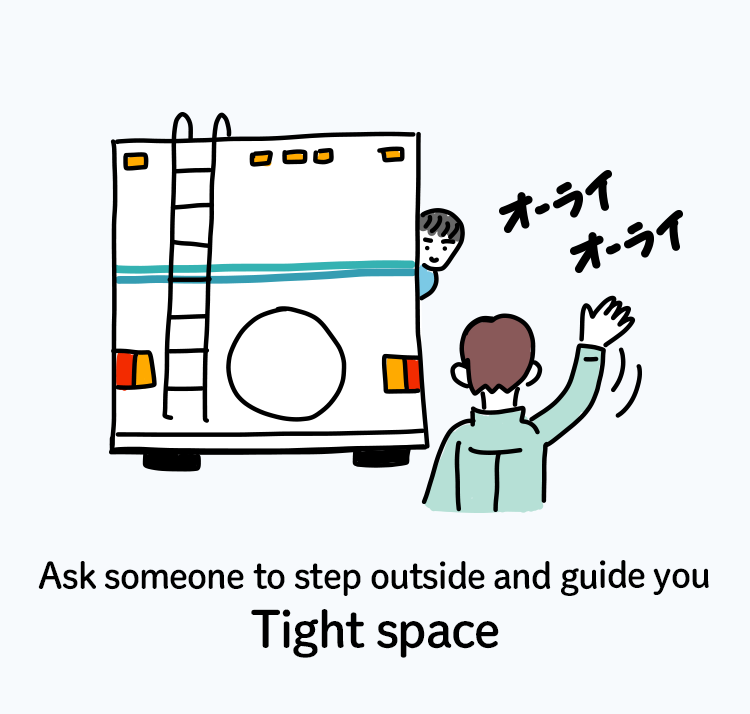
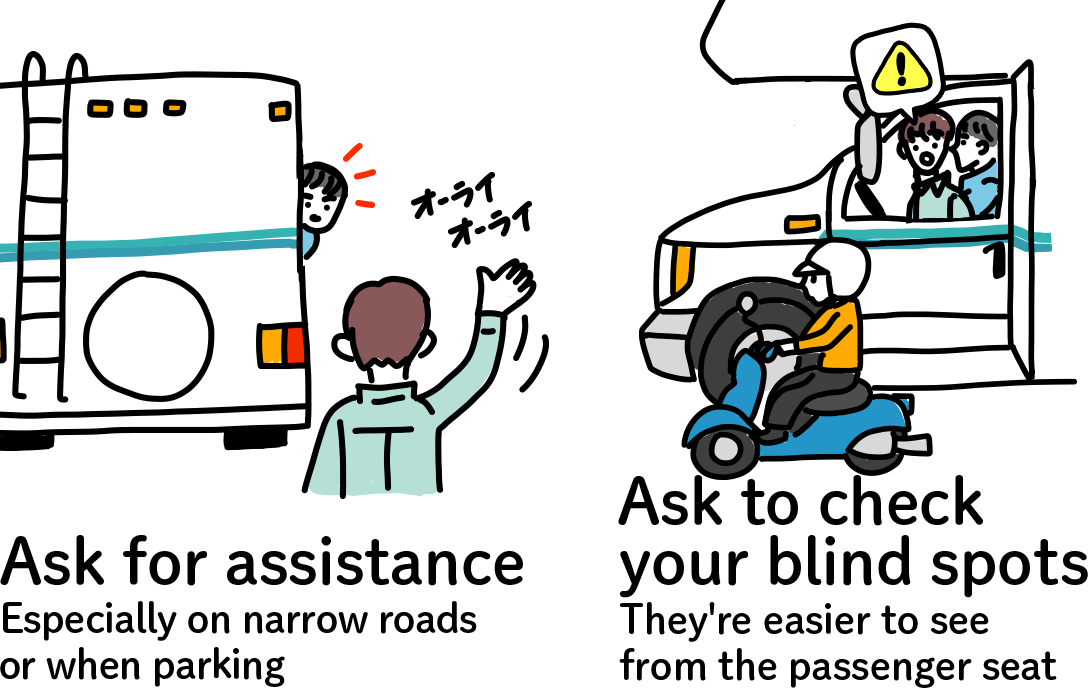
Ask for assistance when in tight parking spaces and roads
It's normal to not be able to drive your first camper as well as your regular car. Ask a passenger to assist you with navigating narrow paths and to look at the blind spots for you when turning at intersections.
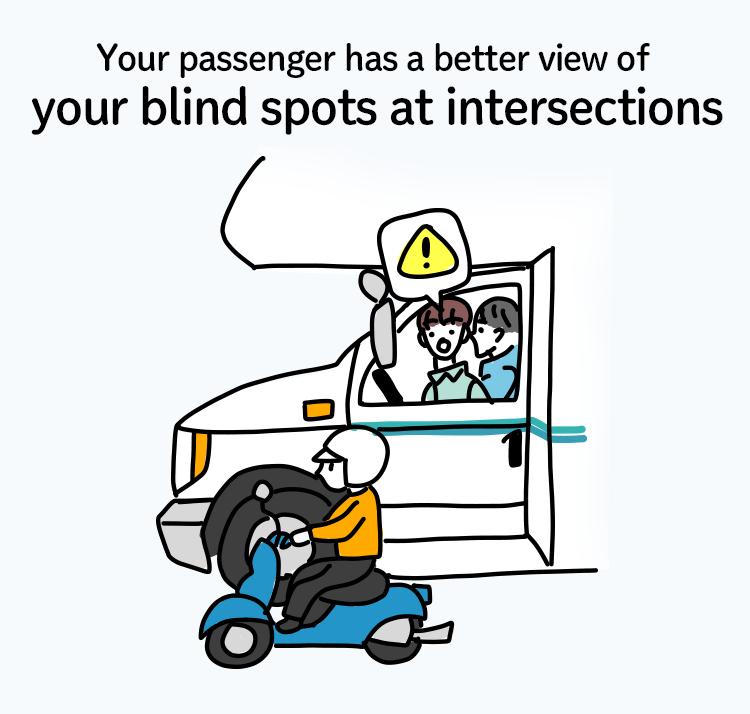
Ask a passenger to check your blind spots at intersections
It's not about impressing your friends with your driving skills as panic on the inside; it's about safety.

Always ask for help when you need it and have a safe drive!
Remember that two heads are better than one, so don't shy away from asking for help!
No one simply steps foot inside a camper and gets driving like a pro from day one. It's perfectly sane to slightly freak out at first. After all, any accident on the road must be taken seriously since people can get hurt as well as a lot of money may be involved for repairs or compensations. At worst, it could even be criminal! Remember that a moving vehicle is a deadly weapon. So, all that being said, make sure that you follow all ten tips above because as long as you do so, you can focus on having fun with your very first car camping adventure!
Click here to browse popular campers and vans
 Beluga | 4WD + studless tires, FF heater / As a rental business, it comes with vehicle insurance in case of a self-inflicted accident
¥17,800〜
/24 hoursKanagawa Prefecture Kawasaki City Nakahara Ward New Town5.0(23)- Sunfish | 4WD + studless tires, FF heater / As a rental business, it comes with vehicle insurance in case of a self-inflicted accident
¥17,800〜
/24 hoursKanagawa Prefecture Kawasaki City Nakahara Ward New Town5.0(93) - Camping Car "Unicorn 🦄" (Dream Drive Kuma Q)
¥27,500〜
/24 hoursTokyo Minami Otsuka, Toshima Ward4.0(2)

Click here to browse popular locations
¥2,200〜
/ per night