Magome-Juku
岐阜県/中津川市

Description
This is the 43rd town inn which is located on the Nakasendo road, which links Tokyo (Edo at the time) and Kyoto, built during the Sengoku era(1467-1600). It has the traditional cobbled stone paths that were present originally, and is one of Japan's few traditional villages whose buildings are preserved today. Along with Tsumagoi-Juku it is one of the flagship tourist destinations of Kiso road.
Homepage
Address
Nearby Car Night Spots

Overnight stay

(Power supply available/facilities for rain) Apples bonfire station Fruit Garden Kitazawa
¥4,000〜
/ per nightNagano Oshima, Matsukawacho, Shimoina-gun
4.9
(22)Tent night
Overnight stay

Overnight stay
Overnight stay
Overnight stay
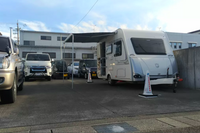
Mochimune Fishing Point RV Park - Calstreet
¥1,500〜
/ per nightShizuoka Mochimune, Suruga-ku Shizuoka-shi,
4.7
(3)Overnight stay
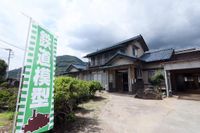
Railway Guest House Tetsunoya (hot spring available)
¥3,000〜
/ per nightYamanashi Shizume, Kasugai-cho, Fuefuki City
5.0
(15)Nearby Activities
Activity
Ranking Stations
Overnight stay

Shin Meishin Suzuka PA (inbound) RV Station Suzuka * With Power!
¥2,200〜
/ per nightMie Yamamotocho, Suzuka-shi
4.3
(172)Overnight stay

Overnight stay

Overnight stay
Tent night

Overnight stay
Overnight stay
(Power supply available/facilities for rain) Apples bonfire station Fruit Garden Kitazawa
¥4,000〜
/ per nightNagano Oshima, Matsukawacho, Shimoina-gun
4.9
(22)Nearby Drive Spots
History
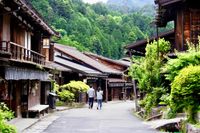
Tsumago-Juku
This is the 42nd town inn which is located on the Nakasendo road, which links Tokyo (Edo at the time) and Kyoto, built during the Sengoku era(1467-1600). It has appeared in Ukiyo-e art and Utagawa Hiroshige, and is one of Japan's few traditional villages whose buildings are preserved today. Along with Magome-Juku it is one of the flagship tourist destinations of Kiso road.
Spot
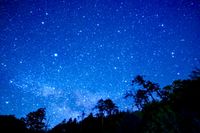
Achi Village
This is a village situated in the southern part of Nagano prefecture. With its ideal altitude, clear area and surrounding mountains and stunning starscapes and cloud scapes below, the area has been recognized by the Japanese ministry of environment as the best star viewing area in Japan. Peach flowers also bloom in this area from mid April to the beginning of May.
Onsen
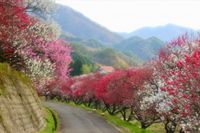
Hirugami Onsen
This is an Onsen in Achi Village, and was discovered in 1973 when a tunnel was being built in this area. Near the Achi River, there is an onsen that is beautifully integrated into the natural landscape. It is also possible to view amazing starscapes on a clear night. Between mid April and early May, the peach blossoms also come into bloom.
Spot
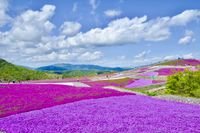
Chausuyama Kogen
This is a plateau spreading between Mt. Chausuyama with an altitude of 1415 m and Mt. Hagitaro that has an altitude of 1358 m. During the period from May to June, there are around 400,000 moss plants of 7 different varieties bloom on the vast grounds of 22,000 square meters, in a variety of pinks, light purples, and whites. There are plenty of facilities here such as the vacation village, art museum in Takahara, Yahazu Pond, Rest House, Tenkuan, and a pasture ranch.
Onsen
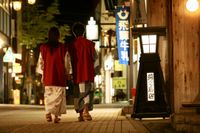
Gero Onsen
This is a famous hot spring in Gero City. With 1000 years of history, it is named as one of Japan's three best onsen, by Hayashi Razan, a neo-Confucian philosopher. There were many times where the area was destroyed by floods of the Hida River, but it was restored each time, and there is a full onsen town along the river. Hoba Miso paste (made from Magnolia leaf) is a specialty product in this area.※Credit:下呂温泉観光協会
Spot
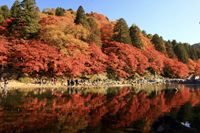
Korankei Gorge
Located in Aichi Prefecture, this is a valley formed in Tomoe River. Many tourists visit Taigetsukyo Bridge in the autumn season, where the autumn leaves and "katakuri" flowers (dogtooth violet) can be seen.
History
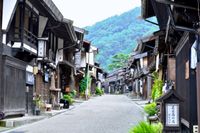
Narai-Juku
This is the 34th town inn which is located on the Nakasendo road, which links Tokyo (Edo at the time) and Kyoto, built during the Sengoku era(1467-1600). Situated just past the Torii gate in a perilous spot, the inn town became known as the "Narai of 1000 hotels" by many travelers. During the Edo period(1603-1868), the woodwork industry became prolific in the area with wooden crafts and lacquering, and is popular as a souvenir spot today.
History
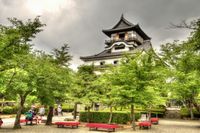
Inuyama Castle
This is a castle that was built in 1469 by Oda Nobuyasu (Oda Nobunaga's uncle). It is one of Japan's 12 famous castles, and one of 5 designated as a national treasure. One could say that it is representative of the history of the turbulent history of competition and battle between the nobles Oda Nobunaga, Toyotomi Hideyoshi and Tokugawa Ieyasu. Being situated on top of a small mountain, the views of the river are also quite something to behold.
Spot
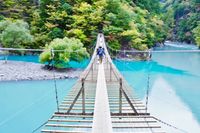
Sumata Gorge
This is a valley of Sumata River in central Shizuoka prefecture. It is famous for its "dream suspension bridge" which is about 90 meters in length and extends to Oma dam lake and is about 8 meters in height. The name comes from the fact that it is not only meant to represent a fantasy landscape, but also because of the feeling of fear crossing it, almost as if in a dream.
Spot
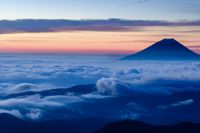
Mount Kitadake
This is Japan's second tallest mountain at 3,193 meters high in the southern part of Yamanashi prefecture. The mountain is known as mount Shirane, (white topped mountain) due to the snow at the mountain caps. There is also a 600 meter rock wall known as "Kita-mine buttress". Towards the upper area of the mountain, there are splendid views of Mount Fuji with a sea of clouds below, for which this mountain is very popular. ※北岳より夜明けの富士山を望む © TAKAO_Tsushimaクリエイティブコモンズライセンス(表示4.0 国際)https://creativecommons.org/licenses/by/4.0/
Spot

Monet's Pond
This is a reservoir in Nezu Shrine, in Gifu. From 1999, various species of waterlily such as the pygmy lily and spatterdock lily were planted here, and koi carp, which were initially not available in the area, were brought over and bred in this area. Due to this series of events over time, the area ended up resembling the lily ponds illustrated by Claude Monet.
Onsen
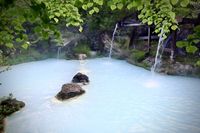
Shirahone Onsen
This is a hidden away hot spring in the vicinity of Kamikochi in the west part of Nagano prefecture. It has always been well known as a place of healing, and it is said that one will not catch a cold if one enters the milky white water for three days. It is a secluded hot spring town with a quiet atmosphere, with several inns and places to eat around the local area.
History
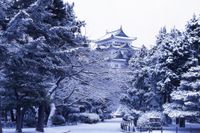
Nagoya Castle
This castle was built by Tokugawa Ieyasu in 1609, one of Japan's three great castles. It was used as a residence of 17th generation of the Tokugawa family until the Meiji era(1868-1912). The Golden Shachihoko (a Japanese sea creature with the head of a tiger and body of a carp) became the symbol of Nagoya. The castle is known both as Golden Shachihoko Castle and Golden Castle.
History
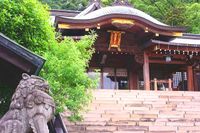
Suwa Taisha Shrine
This is a traditional shrine whose construction date is unknown. It houses two Gods known as Takeminakata no Kami and Yasakatome no Kami and 25,000 companies in Japan are associated with the shrine. It has been long known and revered as a war shrine, and where Sakanoue no Tamuramaro prayed for victory during the conquering of Ezo district. There are four halls which are separated by Lake Suwa, with the upper area of Honmiya and Maemiya on one side, and Akimiya and Harumiya on the other.
History
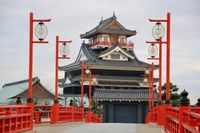
Kiyosu Castle
This is a castle founded in 1405 by Shiba Yoshishige. It was widely known as the headquarters of Oda Nobunaga in 1555, and subsequently the Toyotomi and Tokugawa families became the castle owners, and it was used until 1613. The present castle tower reproduces the ornate Momoyama culture of the Azuchi-Momoyama period(1568-1600).
Onsen
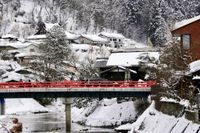
Hida Takayama Onsen
This is an Onsen near Hida Takayama. It is a new onsen that is established in an historic castle town with traditional style buildings and the Takayama Festivals. The alps become completely awash with white snow during the winter, so taking a warm bath is ideal to warm the body whilst looking out at the snowy landscape.
Onsen
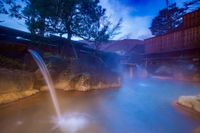
Oku Hida Onsen
This is a hot spring deep in Oku Hida. It is situated in the northern alps, and was admired by Shingen Takeda during the Sengoku era(1467-1600), as an onsen with the third most plentiful amount of spring water. The onsen is unique in that there is a free communal bath area with many different types of baths.
History
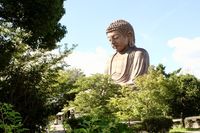
Shurakuen Garden Buddha
This Buddha statue became witness to the marriage of the Emperor Showa in 1927 by Yamada Saikichi. It is a statue of one of the great Buddhas known as Amida Nyorai, with a height of 19 meters, larger than Buddha statues in places like Kamakura and Nara. Inside the park there is a camping area and public bathing facilities.
Spot
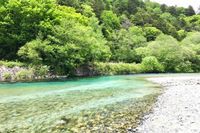
Kamikochi
This is a scenic spot with an altitude of 1500 m in the southern part of the Hida Mountain Range. It has many sightseeing spots such as Azusa RiverKappa BridgeMyojin PondTakesawa WetlandsTashiro Pond. As there are only a few such plains spread out in Japan to this extent, many tourists flock to this area to see the rare scenery. The area is also the habitat of the Japanese monkey, Char Fish, and Genji firefly.
Spot
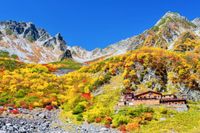
Karasawa Curl
This is the largest glacier valley in Japan at the southern part of the Hida mountain range. There is a stunning view between Mount Okuhogatake and Mount Maehogatake due to their height difference of about 1,000 meters. The area has become popular for autumn leaf viewing in recent years, and the trees, known for their "three stage" autumn leaves offer an interesting contrast to the surrounding rocky area.