1,000 JPY 〜/24 hours
5.00

12

entrance
1/7

station
2/7
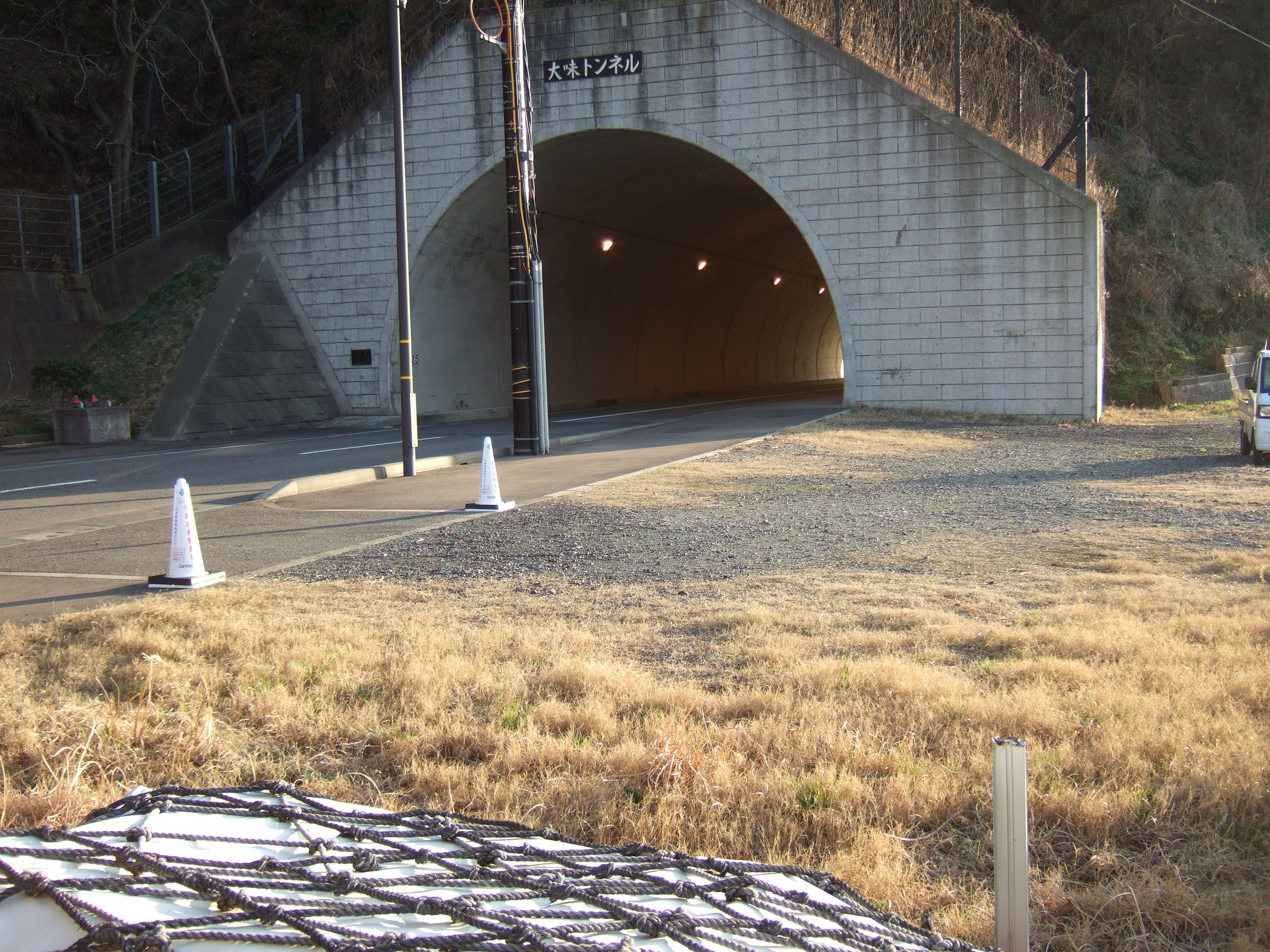
space to carstay
3/7

You can use a public restroom for all day. It takes two minutes from this station by walking.
4/7

5/7

6/7

7/7
Parking Lot Koshino 3
Fukui Ken/Omicho, Fukui Shi
1,000 JPY 〜/1 night
5.00 (4)
Description
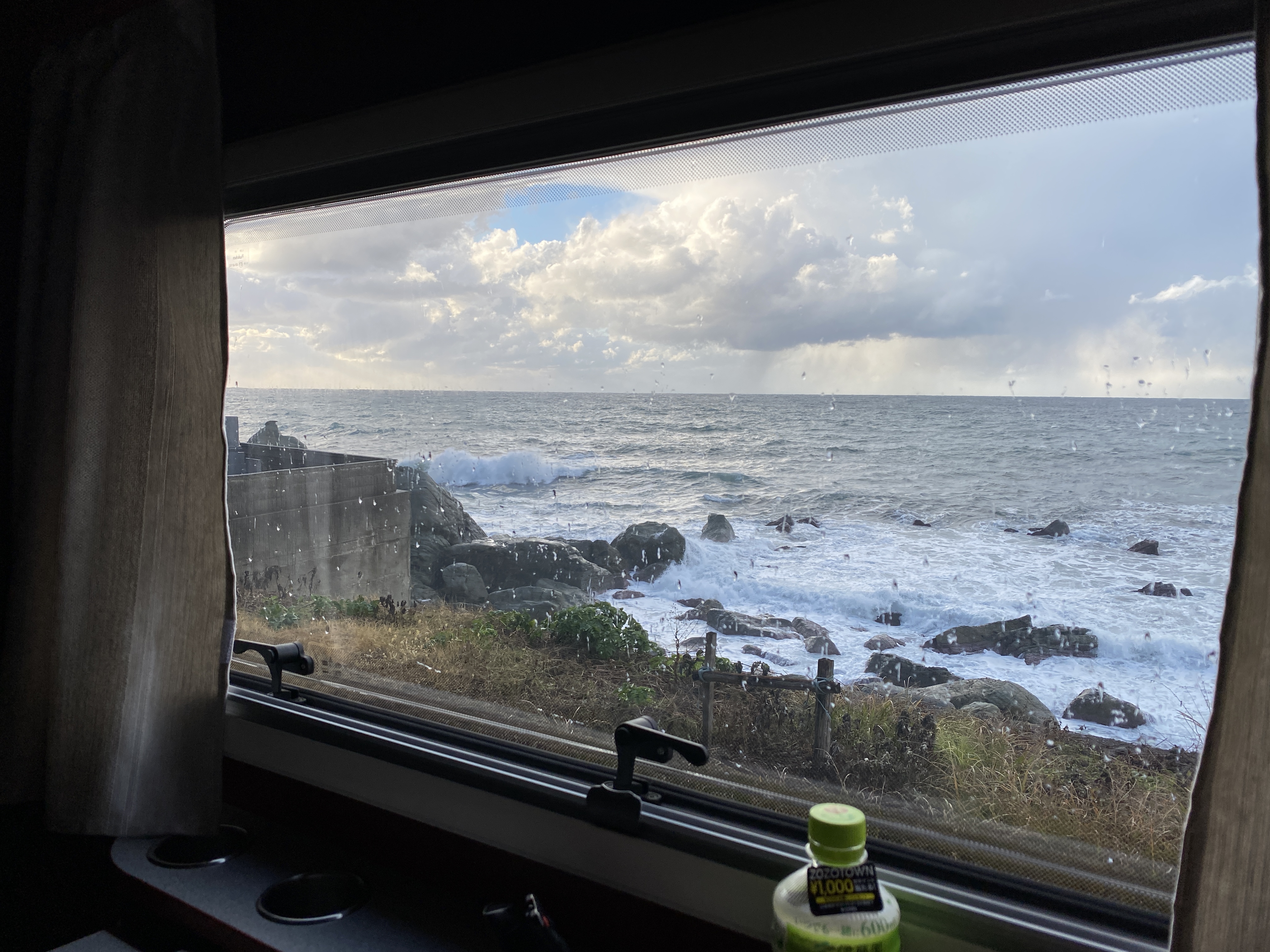
Located on the Echizen coast, in the former village of Koshino, Fukui. Has a natural environment surrounded by mountains and the sea. Because it is near the sea there is little snow, and if the weather is fine you can enjoy the beautiful sunset that sets in the Sea of Japan. The owner is a car camper and mountain climber.
Inquire about a camping station or its booking requirements up-front
Contact a HostBasic Facilities
24h Toilet
Water
WiFi
Playground
Pets Allowed
Smoking Area
Vending Machine
Washing Dryer
Waste Water Discharge
Security Cameras
EV Charger Stand
Administrator
Additional Fee Facilities
Electricity socket
Not available
Non-free Wifi
Not available
Non-free Shower
Not available
Onsen (Adult)
Not available
Onsen (Child)
Not available
Dustbin
Not available
Dog Park
Not available
Camping Behavior Allowed
Not available
Tent (For 2-3 people)
Not available
Tent (For 4-5 people)
Not available
Cooking Allowed
Not available
BBQ Facilities Rental
Not available
Bonfire Allowed
Not available
Nearby Facilities
Convenient Store
Not available
Supermarket
Not available
Gasoline
Marukoshi Gas Station - Koshino SS (120m)
Restaurant
rei-chan (800m)
24h Toilet
[Omi]bus stop (200m)
Onsen
Nami no hana (1500m)
Parking space
Maximum lots:2 lot(s)
Parking Area Size:Length 9m・Breadth 3m・Height 制限なし
Note
Restrooms and tap water available at Otani (大味) bus stop area. Strictly no smoking or open flames, and please take your trash with you.
Cancellation Deadline
17:00, 2 days before (Japanese time)
If you cancel your reservation after the Cancellation Deadline, cancellation fee will be applied. Cancellation rate can be checked here
Availability status
Please click a date to see the availability of car
Sun | Mon | Tue | Wed | Thu | Fri | Sat |
|---|---|---|---|---|---|---|
1 | 2 | 3 | 4 | 5 | 6 | 7 |
8 | 9 | 10 | 11 | 12 | 13 | 14 |
15 | 16 | 17 | 18 | 19 | 20 | 21 |
22 | 23 | 24 | 25 | 26 | 27 | 28 |
29 | 30 | 31 | 1 | 2 | 3 | 4 |
Sun | Mon | Tue | Wed | Thu | Fri | Sat |
|---|---|---|---|---|---|---|
29 | 30 | 31 | 1 | 2 | 3 | 4 |
5 | 6 | 7 | 8 | 9 | 10 | 11 |
12 | 13 | 14 | 15 | 16 | 17 | 18 |
19 | 20 | 21 | 22 | 23 | 24 | 25 |
26 | 27 | 28 | 29 | 30 | 1 | 2 |
Reviews
5.00(4 reviews)

西やん
5.00Tue, March 14, 2023
See all review photos
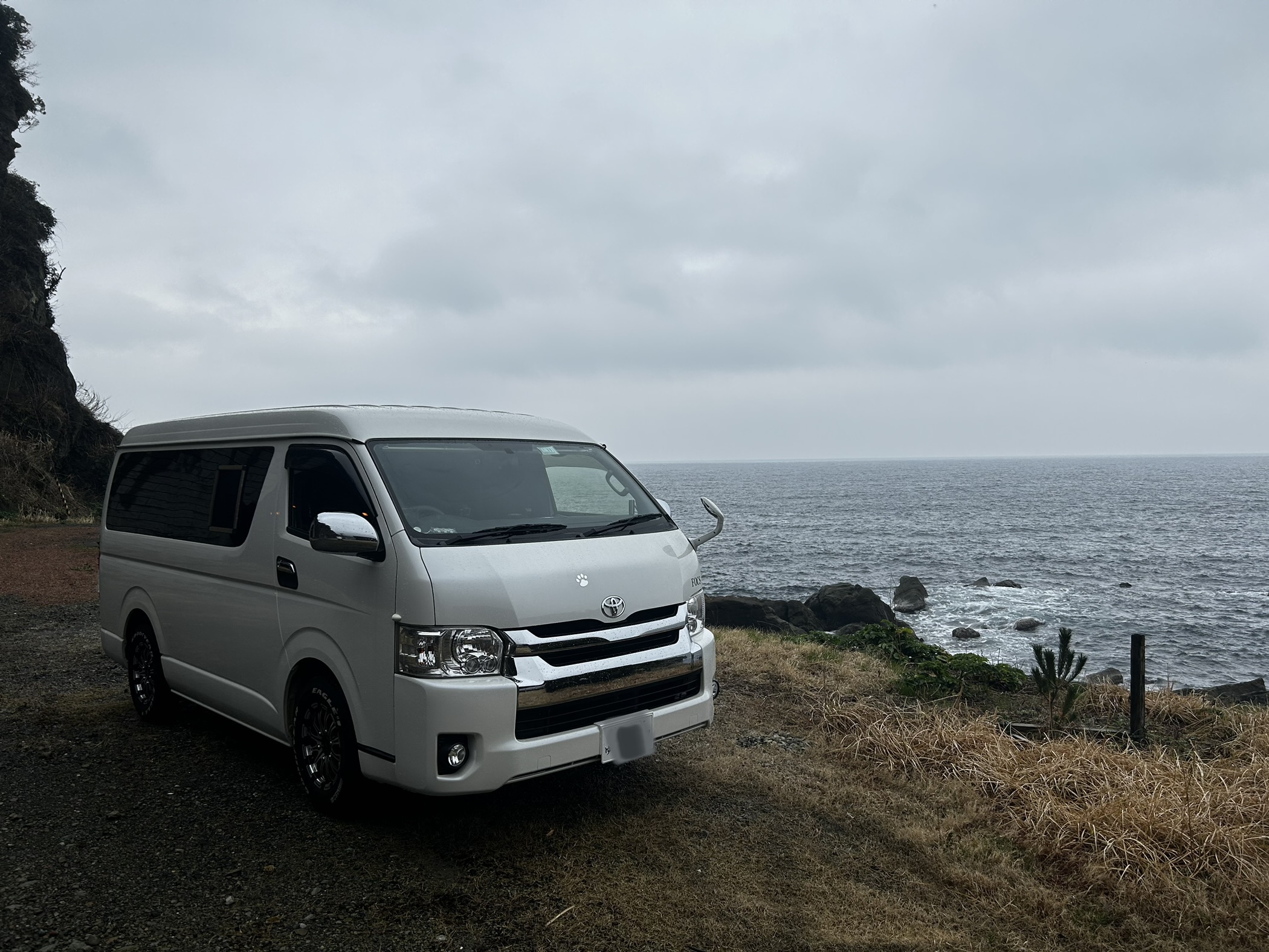
海沿いの綺麗な景色の良いところです。 情報には有りませんが、お墓のすぐそばなので、自分は気にしないので大丈夫でしたが気になる方はご注意を。 トンネルのすぐ前なので、車のエンジン音がよく聞こえます。 ただ、深夜になると通行量も殆ど無いので、静かに過ごせました。
Translate To English

内山篤
5.00Tue, November 30, 2021
See all review photos
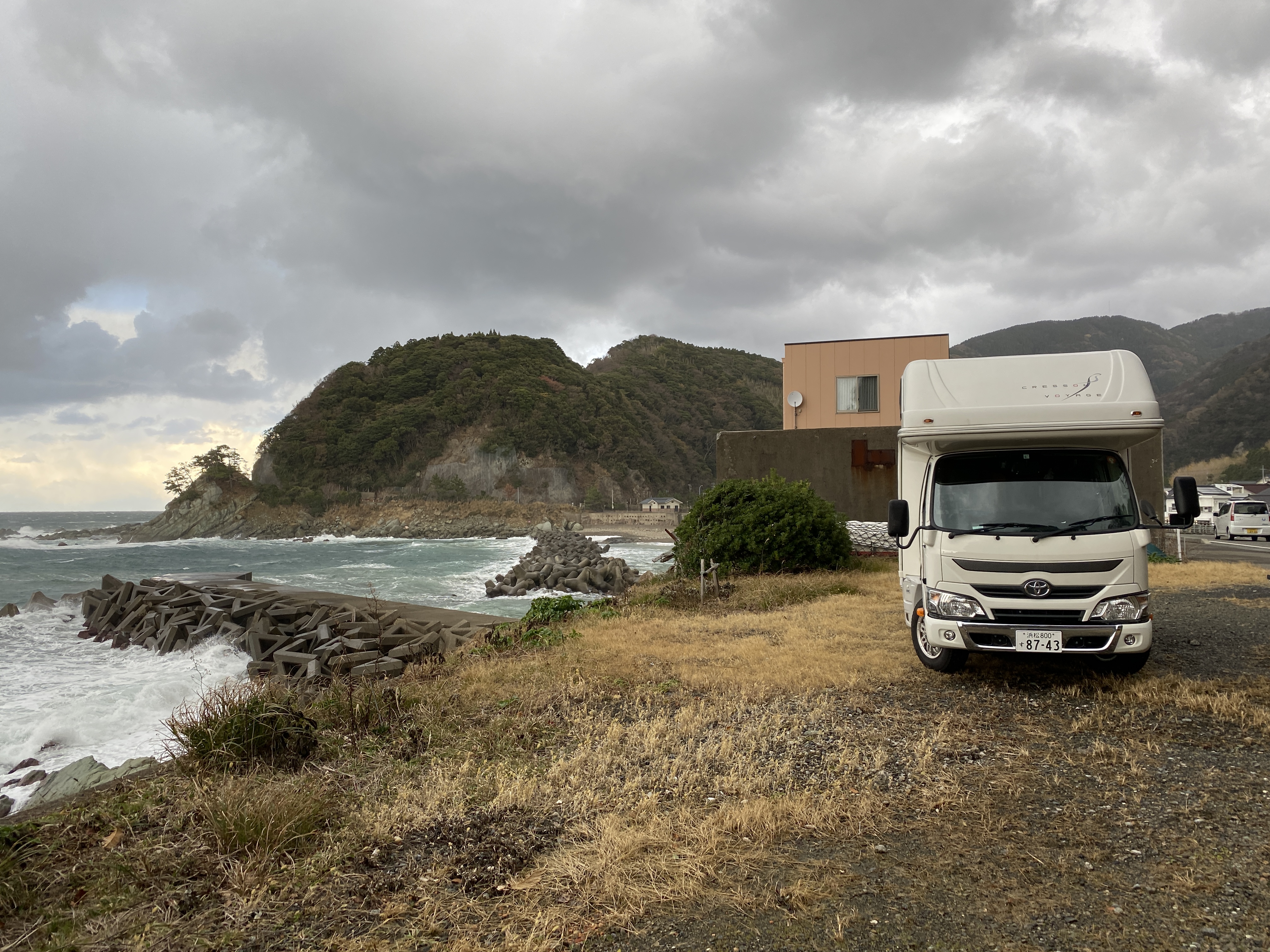
眺望が良く、のんびりくつろげました。
Translate To English
平田 真希子
5.00Fri, September 20, 2019
ひらけた海の前で、静かでとてもいいロケーションでした。
Translate To English
平田 真希子
5.00Fri, September 20, 2019
ひらけた海の前で、静かでとてもいいロケーションでした。
Translate To English
1,000 JPY 〜/1 night
5.00 (4)
Reservation Deadline Time : 1 day ago 10:00 PM
Check In
Check Out
Nearby Car Night Spots

Overnight stay
Overnight stay
Overnight stay
Overnight stay
Nearby Activities
Activity
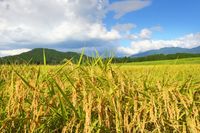
All you can eat rice balls and rice reaping in the rice field in the mountains
¥2,000〜
/ per personShiga Fujise, Taga-cho Inukami-gun
3.0
(0)Activity
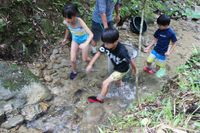
Catch and eat char in a beautiful valley in the mountains
¥2,000〜
/ per personShiga Fujise, Taga-cho Inukami-gun
3.0
(0)Ranking Stations
Overnight stay

Shin Meishin Suzuka PA (inbound) RV Station Suzuka * With Power!
¥2,200〜
/ per nightMie Yamamotocho, Suzuka-shi
4.3
(169)Overnight stay
Overnight stay

Overnight stay
Camping

Vanlife BASE | 45 min. from Narita Airport / Perfect for campervan travel/A seaside town rich in nature/Japanese countryside town/welcome traveler
¥7,000〜
/ per nightChiba Koseki, Kujukuri-machi, Sambu-gun
5.0
(65)Tent night

Nearby Drive Spots
History
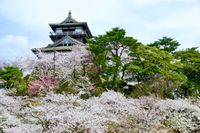
Maruoka Castle
This is a castle that was built by Shibata Katsutoyo in 1576. It is famous for being the oldest of the 12 castle towers (known as Tenshaku) There are around 400 Yoshino cherry plants planted in the nearby garden, which gives the castle its alternative moniker of "Kasumiga-jo", and the summer views of the cherry blossoms in full view are a particular highlight.
History
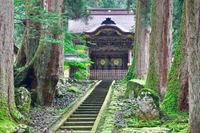
Eiheiji Temple
This is a temple of the Soto sect built in 1244 by Dogen. The temple is named after the Buddhas ShakanyoraiMirokubosatsuAmidanyorai, with the wish for eternal peace. It is situated deep in the forest of around 600 cedars, and there are around 200 priests here that strictly follow the buddhist teachings. The temple is also famous for being admired by Steve Jobs, who was famously a believer in God.
Spot
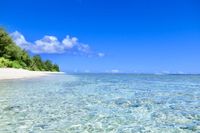
Mizushima Island
This is a small uninhabited island at the tip of Tsuruga Peninsula. The area is surrounded by shallow beaches and rock formations, and due to the beauty of the clear waters, it is known as the "Hawaii of Hokuriku". The island is only accessible during the 2 month period from Mid July until the end of August.
Onsen
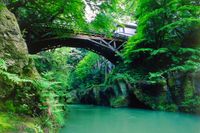
Yamanaka Onsen
This is a traditional bath in Kaga City. It boasts 1,300 years of history and was known as an Onsen loved by Matsuo Basho. The spa town is located along the "Kakusenkei" valley of the Daishoji River, where you can enjoy the countryside landscape with its mountains, valleys and rivers.※Credit:石川県観光連盟
Onsen
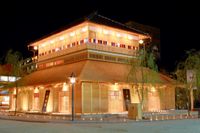
Yamashiro Onsen
This is a traditional bath in Kaga City. It boasts 1,300 years of history and was visited by prominent figures such as Akechi Mitsuhide during the Sengoku era(1467-1600), and Kitaoji Rosanjin and Yosano Akiko during the Meiji era(1858-1912). After the war it developed quickly into a recreational bath house. Soyu and Kosoyu are two of its famous public baths. ※Credit:石川県観光連盟
History
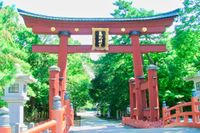
Kehi Jingu Shrine
This is a shrine which was founded by the Empress Jingu in 199 AD. The shrine deity was enshrined by Izasawake no kami, Emperor Chuai, and Empress Jingu. Four companies named Yamato Takeru No Mikoto Emperor OjinToyotama-himeTakeshiuchi no Sukune are also enshrined here. It is an entrance from Hokuriku to Kinai, and since it is a key gateway to Korea and China, it was regarded as "Hokurikudo general guardianship" and was held in high importance. It also has one of the three largest Torii gates in Japan.
Spot
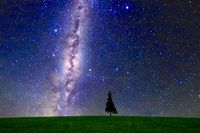
Rokuroshi Kogen
This is a plateau located at the foot of Mt.Kyogatake mountain range and extends to an altitude of about 400 to 700 m. It forms a gentle fan-shaped terrain, and the night sky is ideal for star gazing. In addition, visitors can enjoy seeing the dairy cattle grazing, barbecues, and outdoor baths etc.
Spot
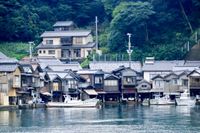
Ine no Funaya Houses
This is a type of traditional unique to the area, in Kyoto Ine Town. The building consists of a ship storeroom with living quarters above. The first floor has a ship warehouse as well as a storeroom and workship, with a living room on the second floor. It is thought that there are around 200 of these arbor shops in existence from the Edo era(1603-1868).
History
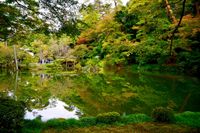
Kenrokuen Garden
This is one of the three Japanese gardens which was built by Maeda Tsunanori in 1676. Originating from the clan garden which was built at the outskirts of Kanazawa Castle by the Kaga clan, the park was named by Matsudaira Tadanobu who named it as such due to the six elements of spaciousness, tranquility, artifice, antiquity, water courses, and a magnificent view from the garden.The area also has been rated with 3 stars from the Michelin Tour guide, and is one of Japan's most splendid parks that can be enjoyed all year around due to the plum and cherry blossoms, autumn leaves and snow views.
Spot
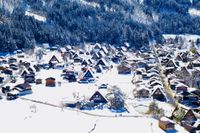
Shirakawa-go
This is a village situated in northern Gifu, and registered as a World Heritage Site. It is known as an area with one of the highest levels of snowfall, and due to this, the roofing of houses is set at a steep angle to deal with the snow fall. Some of these houses still exist nowadays, and are still in use.
Spot
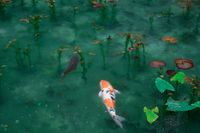
Monet's Pond
This is a reservoir in Nezu Shrine, in Gifu. From 1999, various species of waterlily such as the pygmy lily and spatterdock lily were planted here, and koi carp, which were initially not available in the area, were brought over and bred in this area. Due to this series of events over time, the area ended up resembling the lily ponds illustrated by Claude Monet.
History
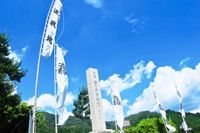
Sekigahara Battlefield
Here we can witness historical traces of the "Battle of Sekigahara" which is said to be one of the greatest and fiercest battles in Japan's history after the political strife following the death of Toyotomi Hideyoshi in 1600. The East Army (Tokugawa Ieyasu, Tokugawa Hidetada, Yuki Hideyasu, Kuroda Nagamasa) and the West Army (Mori MototeruIshida MitsunariUkita HideieUesugi Kagekatsu) fought and Tokugawa Ieyasu ultimately obtained ultimate power. In 1603 he established the Edo Shogunate. There are numerous historical walking courses where visitors can see the battle paths and underground paths used.
History
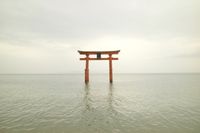
Shirahige Shrine
This is a shrine that is said to have been built in 5 BC. The shrine God is known as Sarutahiko no Mikoto, with the red/orange Torii gates appearing to float in Lake Biwa, which is known as "Itsukushima Shrine of Omi". It is a particularly good photo spot for photographers. The Torii gates were originally on dry land, but it is said that due to the increasing water levels of the lake, the Torii gates ended up being in the lake area.
Spot
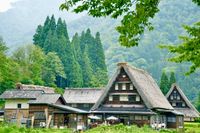
Gokayama Gassho no Sato
This is a famous settlement in the southern part of Toyama prefecture, and listed as a World Heritage Site. It is known for particularly heavy snow fall, and the buildings have particularly steep sloped roofing to adapt to this climate. The area is also particularly unique for its frequent traditional folk dances that take place here.
History
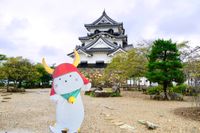
Hikone Castle
This is a castle that was built by Ii Naokatsu in 1622. It is famous as one of Japan's only 12 remaining castles, and is one of five that is designated as a national treasure. From the top of the tower, visitors can see magnificent views of Lake Biwa, There is also a moor boat that is still in use, from which Hikone Castle can be viewed, and whose views can be enjoyed along with the seasons.
Spot
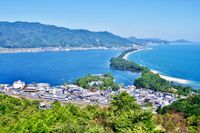
Amanohashidate
This is a 3.6 km sand dune that separates Miyazu Bay and Aso Sea from north to south and is one of the three major scenic spots in Japan. Over thousands of years, around 8,000 pine trees have grown here, and creates a mysterious landscape on the eastern side with the white sand scape. It is also said that if you bend down and look between your legs, the landscape will resemble a dragon rising up to the sky.
Spot
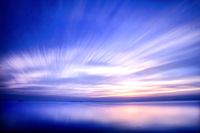
Lake Biwa
This is a lake with the largest reservoir capacity in Shiga prefecture. It is said that the lake formed from around 4,000,000 to 6,000,000 years ago and provided a water supply to those that lived in the area from the Jomon period. The name comes from the fact that the shape of the lake resembles a Japanese musical instrument known as the Biwa.
History
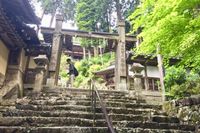
Ikiyasan Chomeiji Temple
This is a Tendai sect temple that was built in 619 AD under the instruction of Prince Shotoku. The objects of worship are Senju Kannon(1000 Armed), Juichimen Kannnon(11-faced) and Sho Kannon and is a hidden temple not normally well known. From the Lake Biwa coast up to the main temple hall there are about 800 steps, known as the "808 steps". The temple is said to bring long life as the pronunciation of the name "Choumei" which is the name of the temple, means "long life" in Japanese.
History
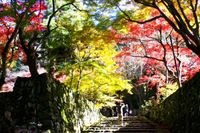
Saimyoji Temple
A Tendai sect temple built by Sanshu in 834 AD. The primary object of worship is Yakushi Nyorai, and Minamoto Yoritomo is said to have come here to pray for war victory. Along with the temples Kongorinji Temple and Hyakusaiji Temple, it is one of the "Koutousanzan" destinations (east lake three mountains). It is also famous for autumn leaf viewing, attracting numerous visitors each year.